Brian & Laurie Garrett
Click here for our Social Connections
  • Home
  • Home Life
    • Home Improvement Projects >
      • Thornton Basement Property
      • Grove Loop Basement
      • Main Level New Wood Floor
      • Kitchen & Fireplace Remodel
      • Guest Bathroom Remodel
      • Primary Bathroom Remodel
      • Cutting the Cord
    • Christmas Cards
    • Family >
      • Carolynn Garrett
      • Abby
      • Piper
      • Tank and TC
  • Recreation & Travel
    • Travel Events >
      • 2011 Saint Martin
      • 2011 Space Shuttle Launch
      • 2012 Grand Cayman
      • 2013 St. Thomas
      • 2013 Seattle
      • 2014 St. Thomas (yes - again)
      • 2014 India
      • 2015 Sea of Cortez
      • 2016 Saint Martin
      • 2016 Puerto Rico
      • 2018 Hawaii
    • Colorado Travels
    • Flying >
      • First Solo Flight
      • Private Pilot Checkride
      • Oshkosh Trips >
        • Oshkosh 2012
        • Oshkosh 2014
        • Oshkosh 2016
        • Oshkosh 2018
      • Flying with Friends
      • Fun Flying >
        • Erie to Buena Vista CO
        • Fredericksburg Fly-in
    • Scuba
    • Recreation Blog
  • Brian's Business
  • The First Rivet

Winging it

10/14/2021

0 Comments

 
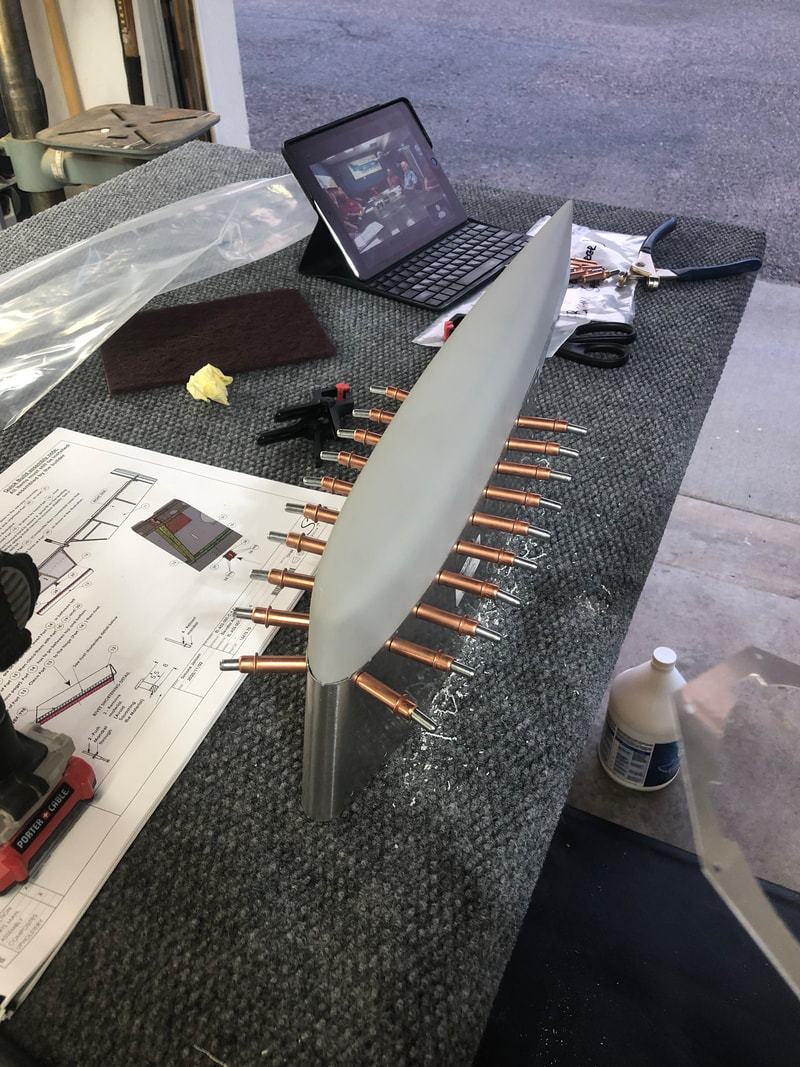
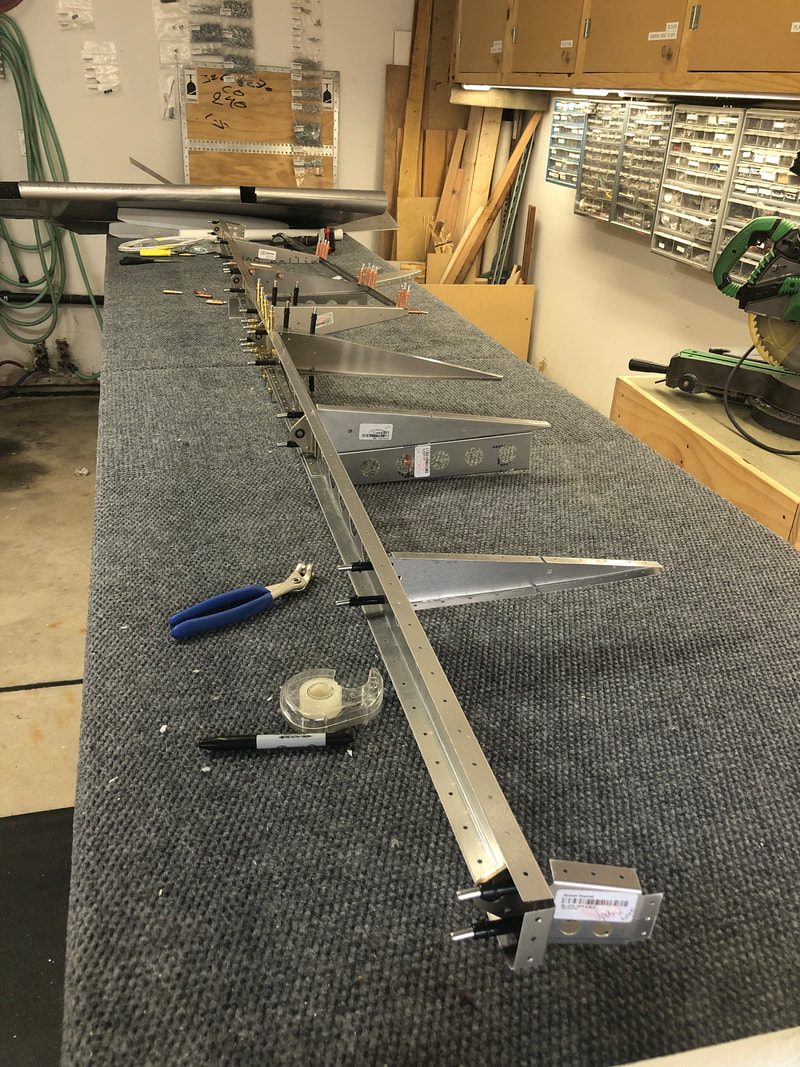
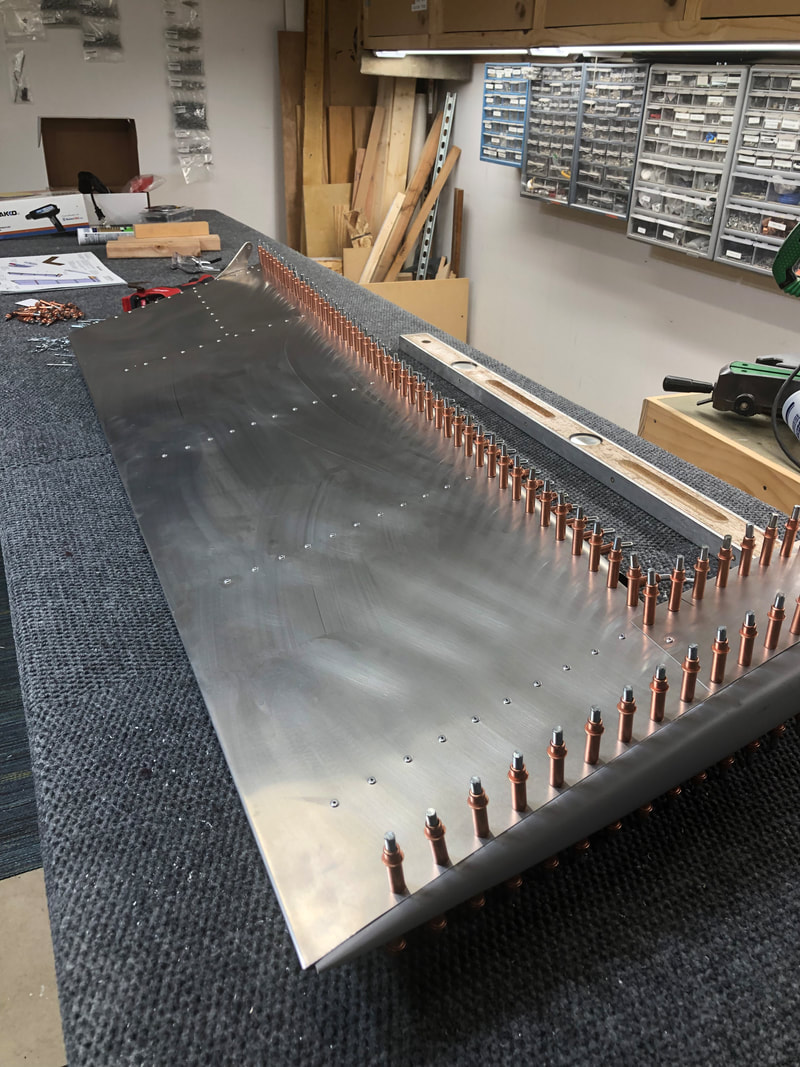
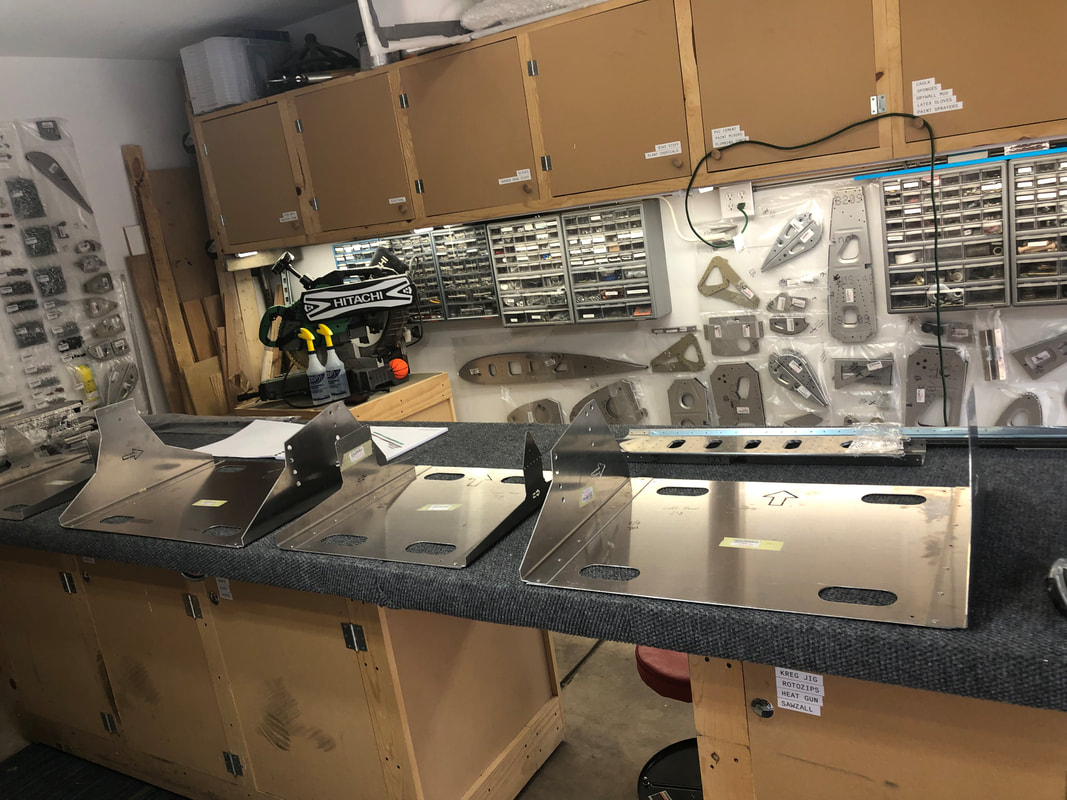
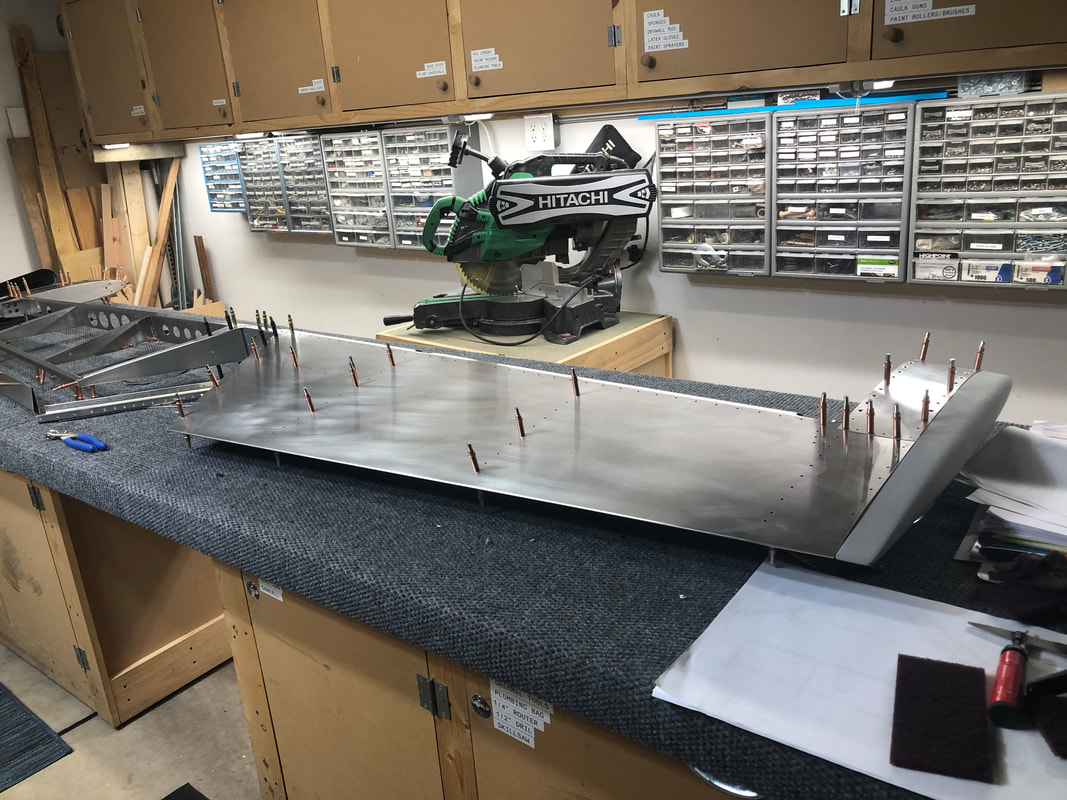
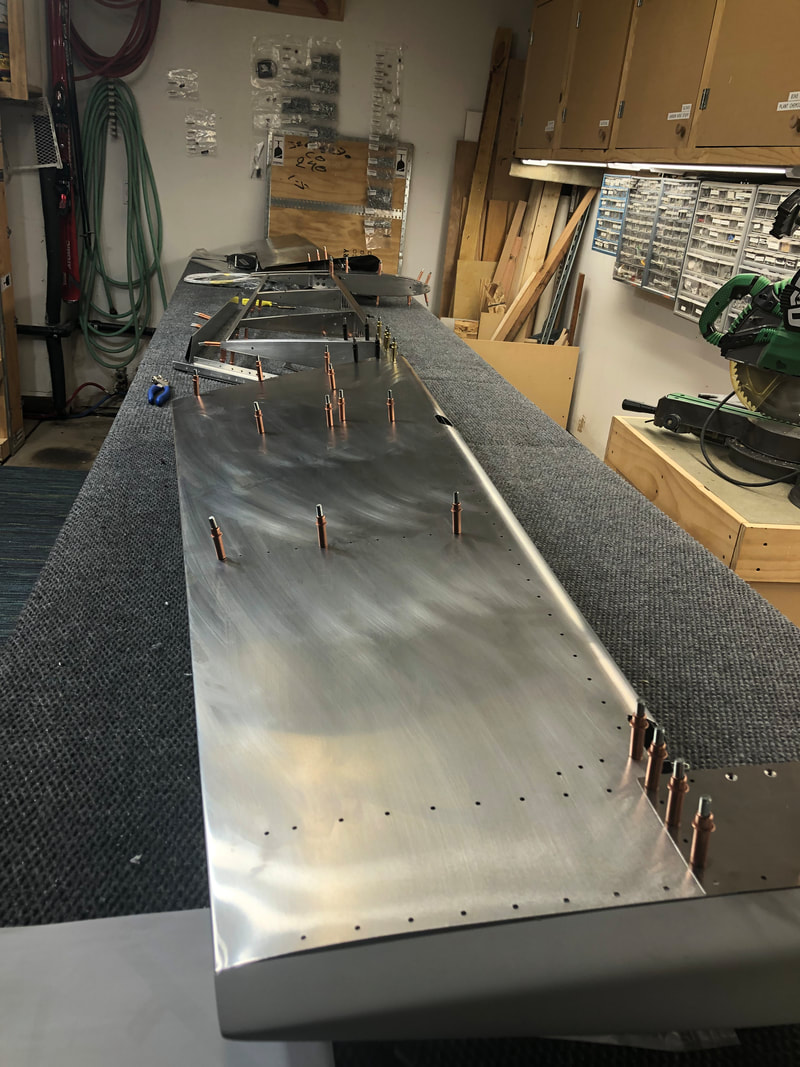
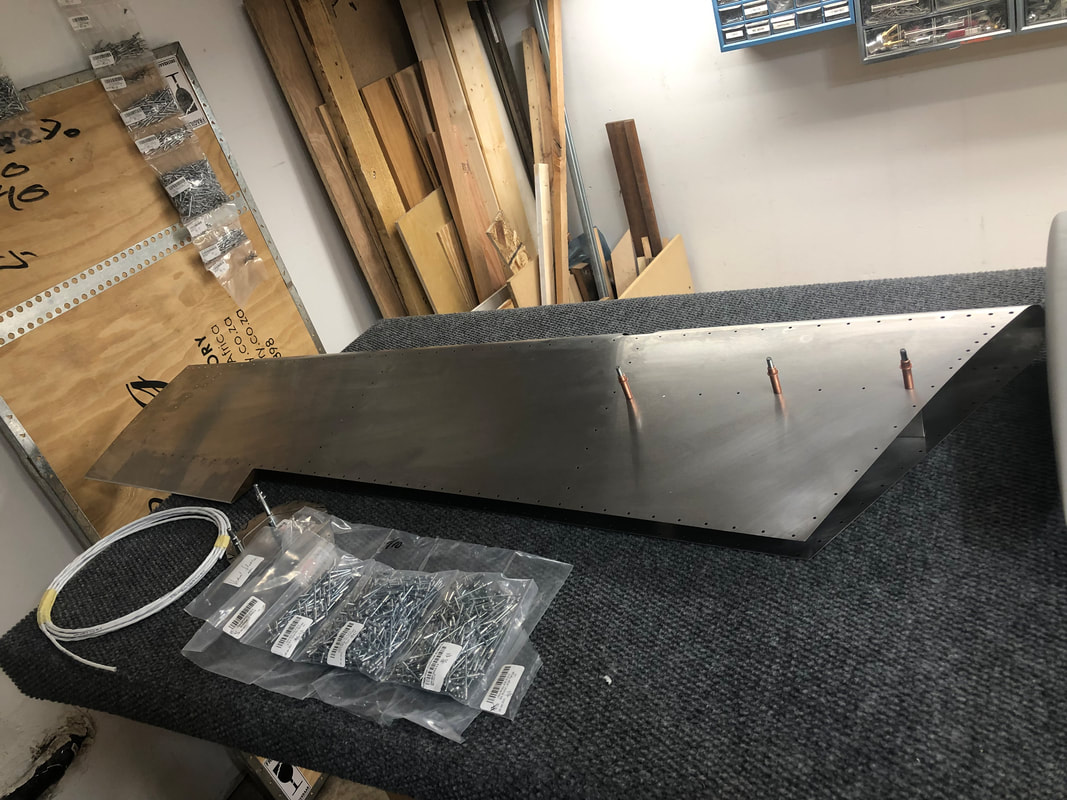
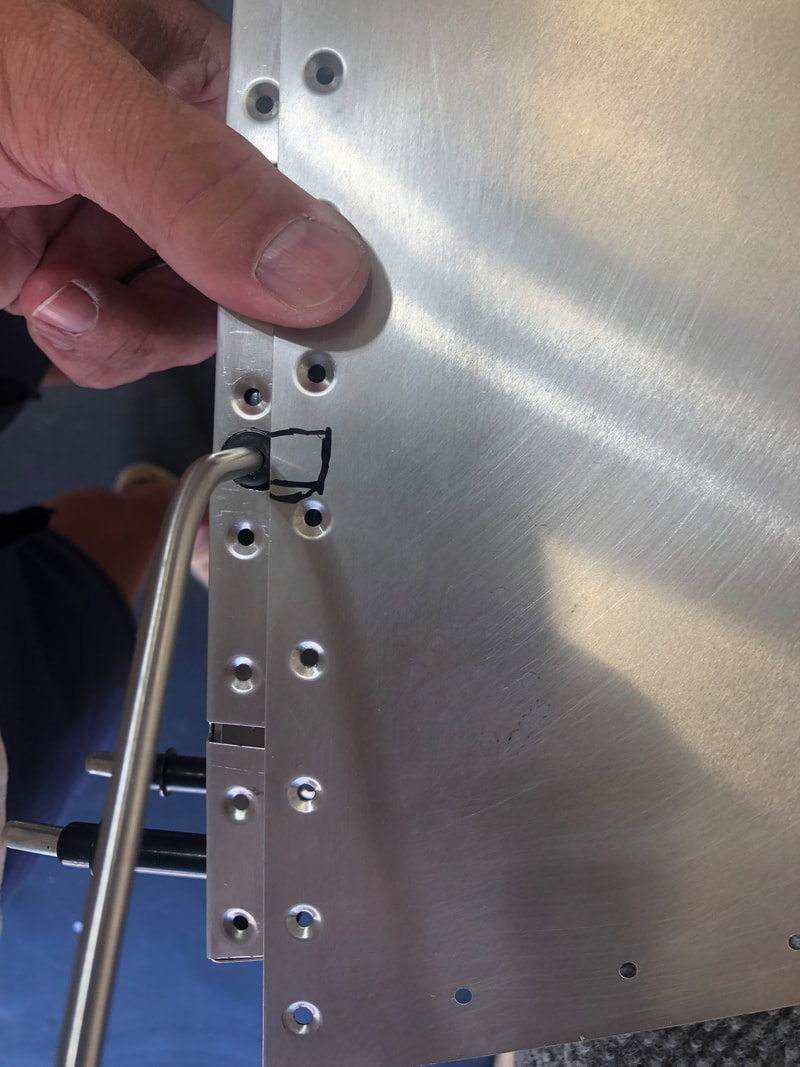
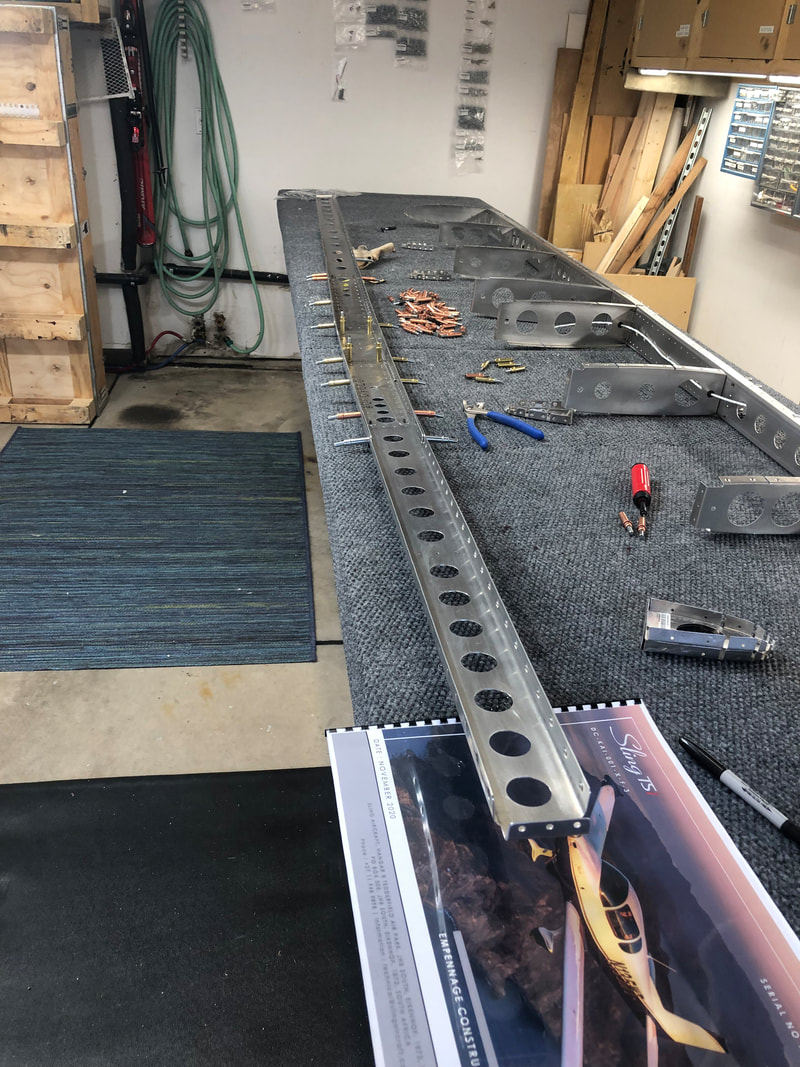
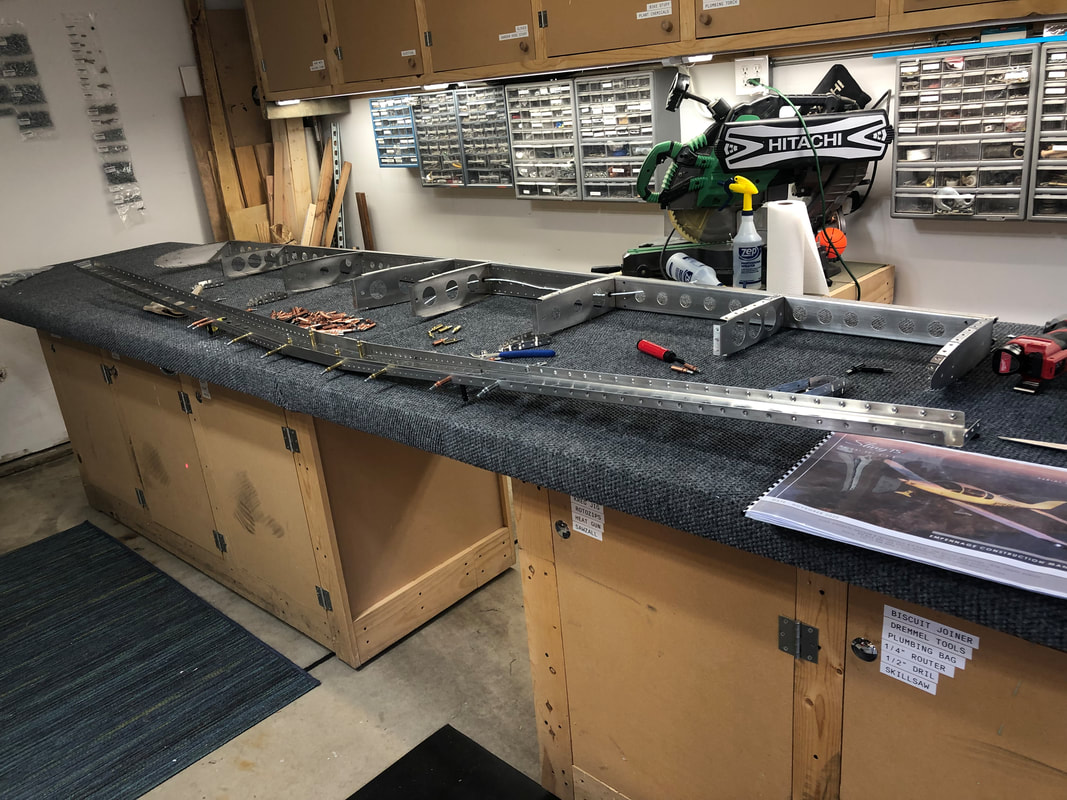
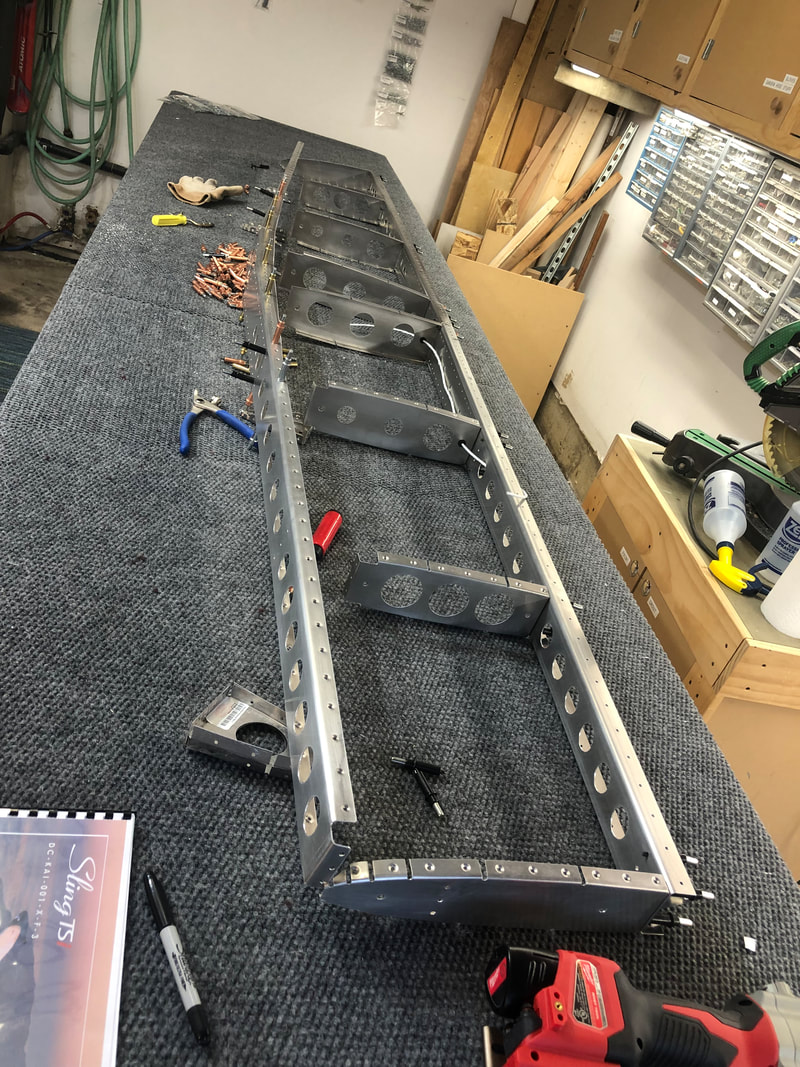
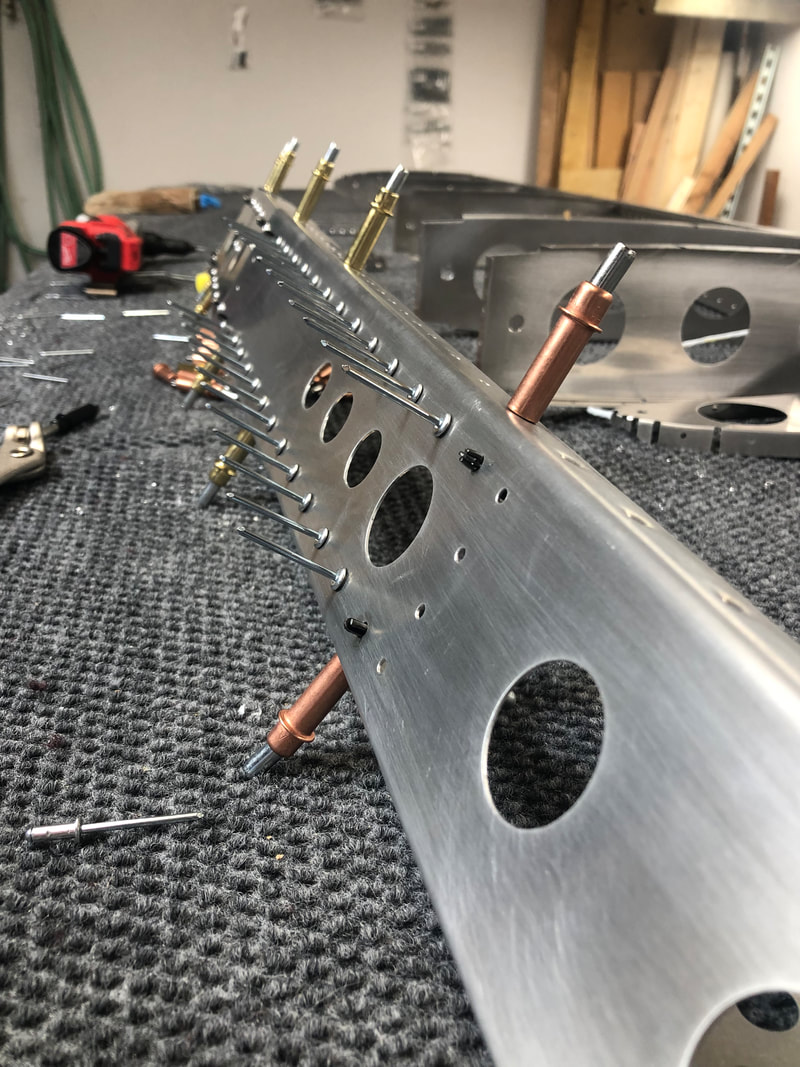
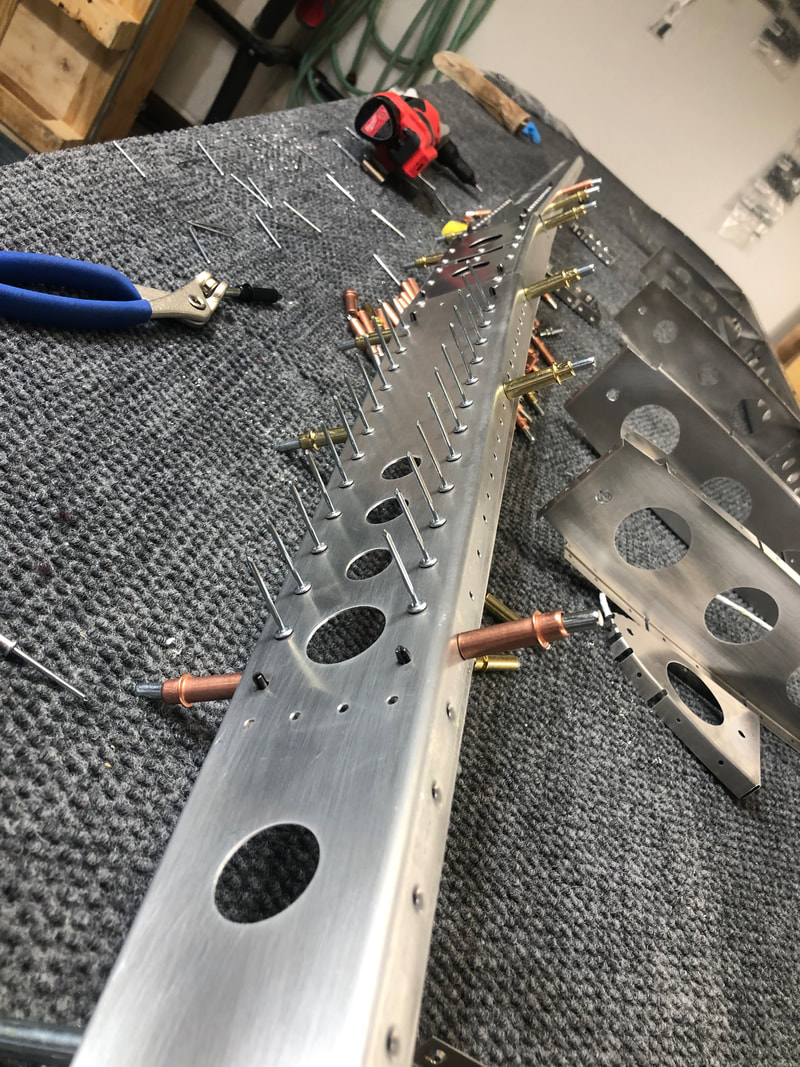
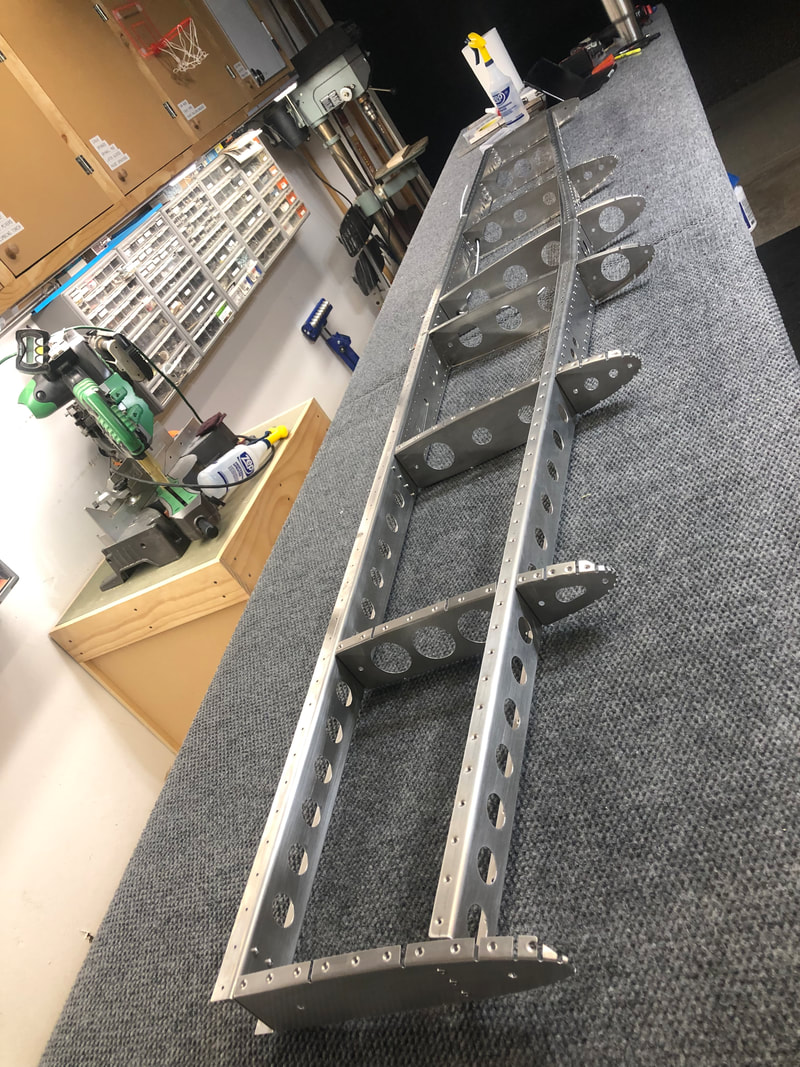
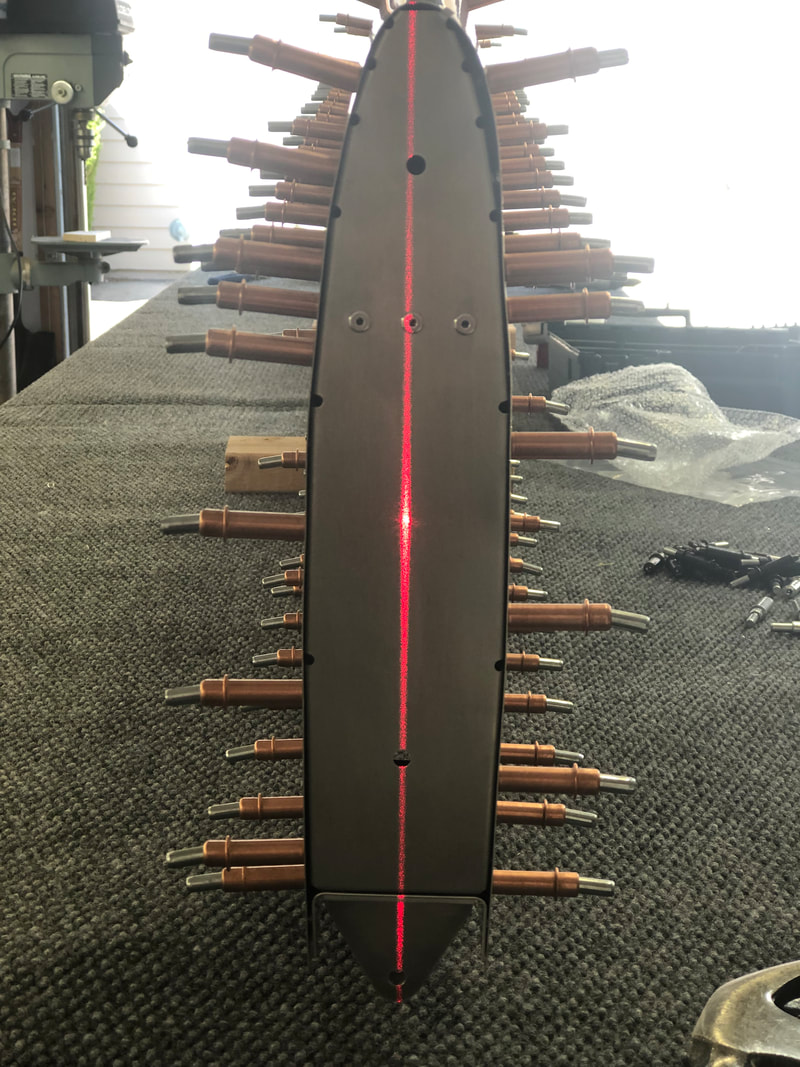
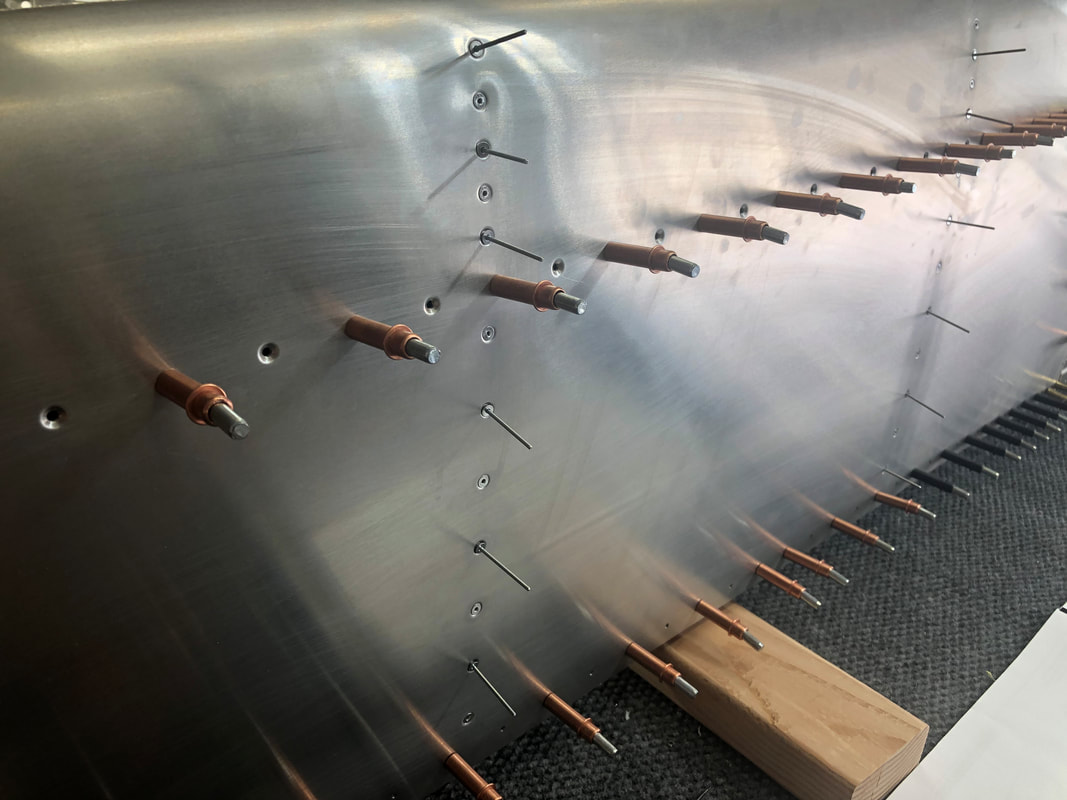
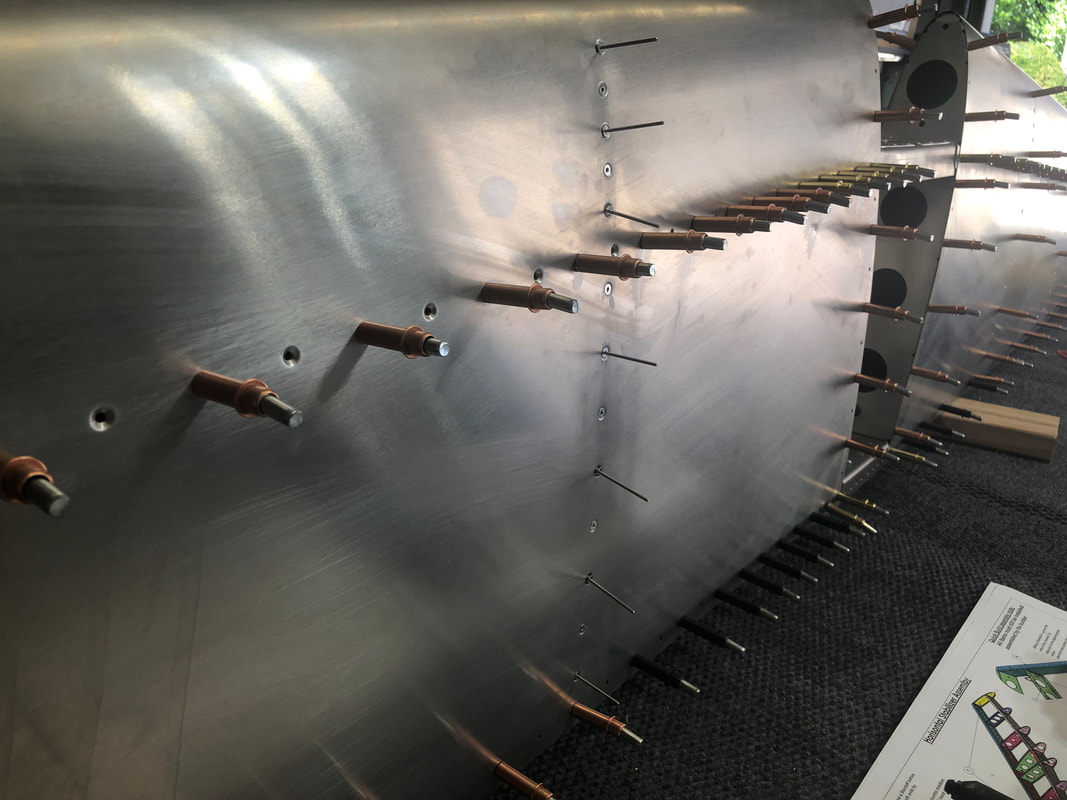
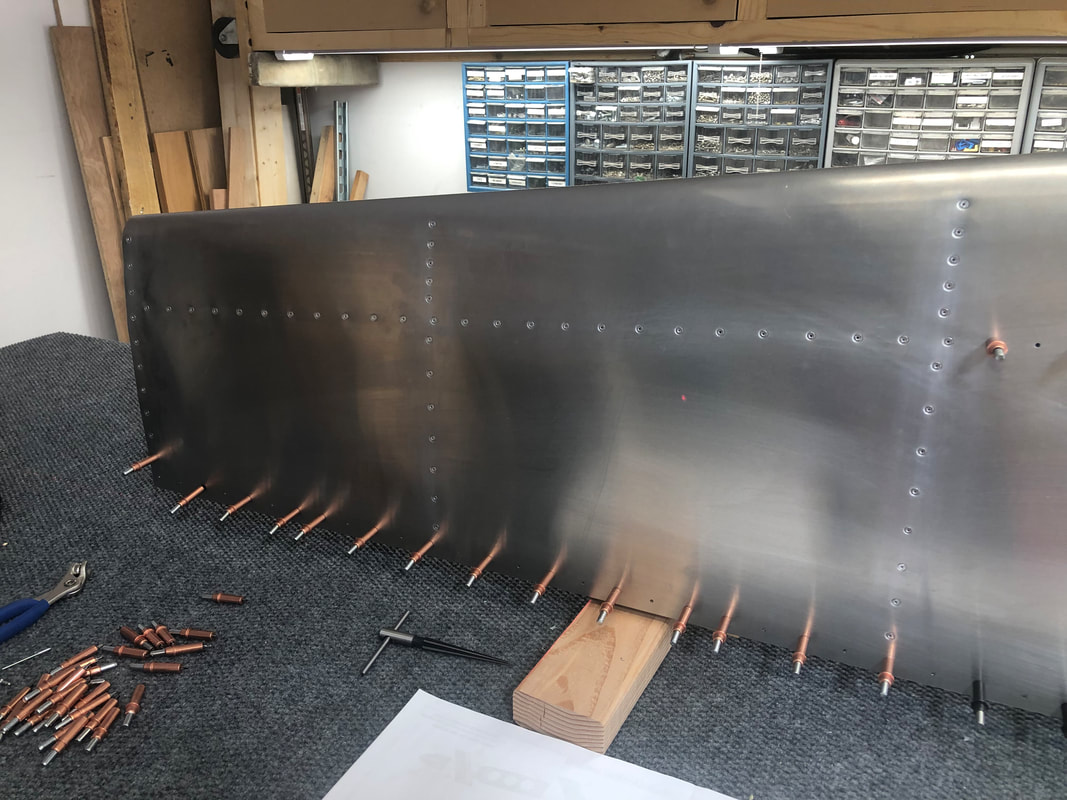
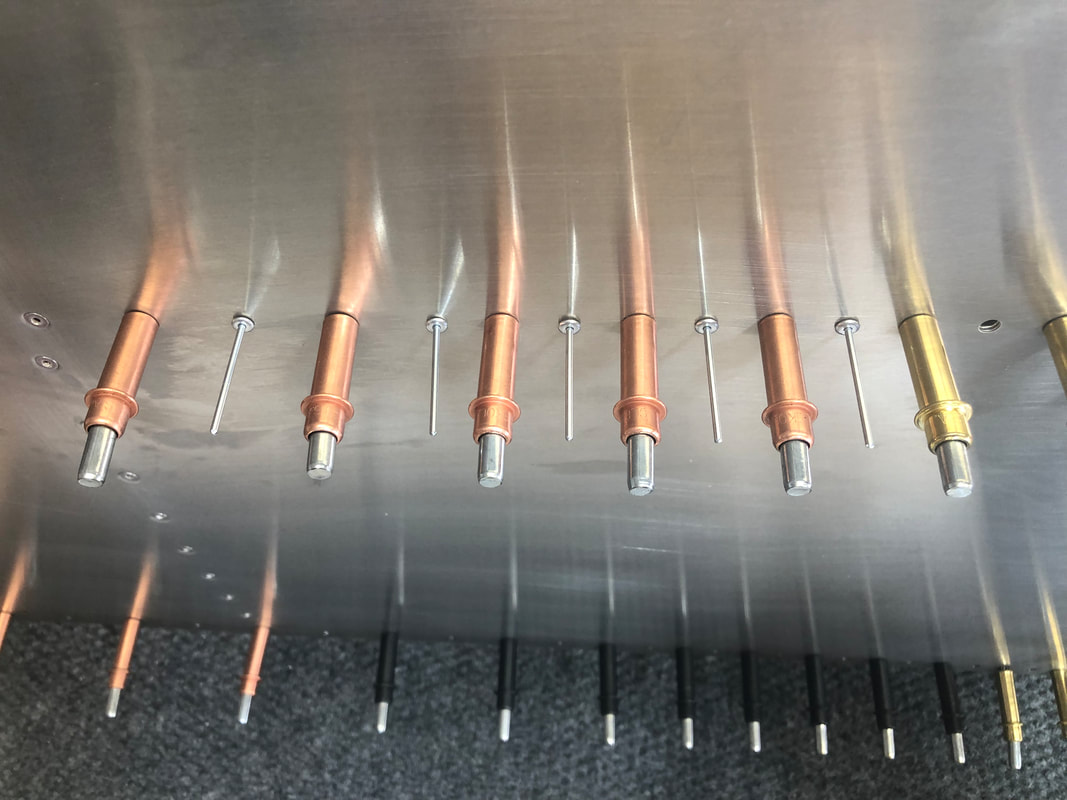
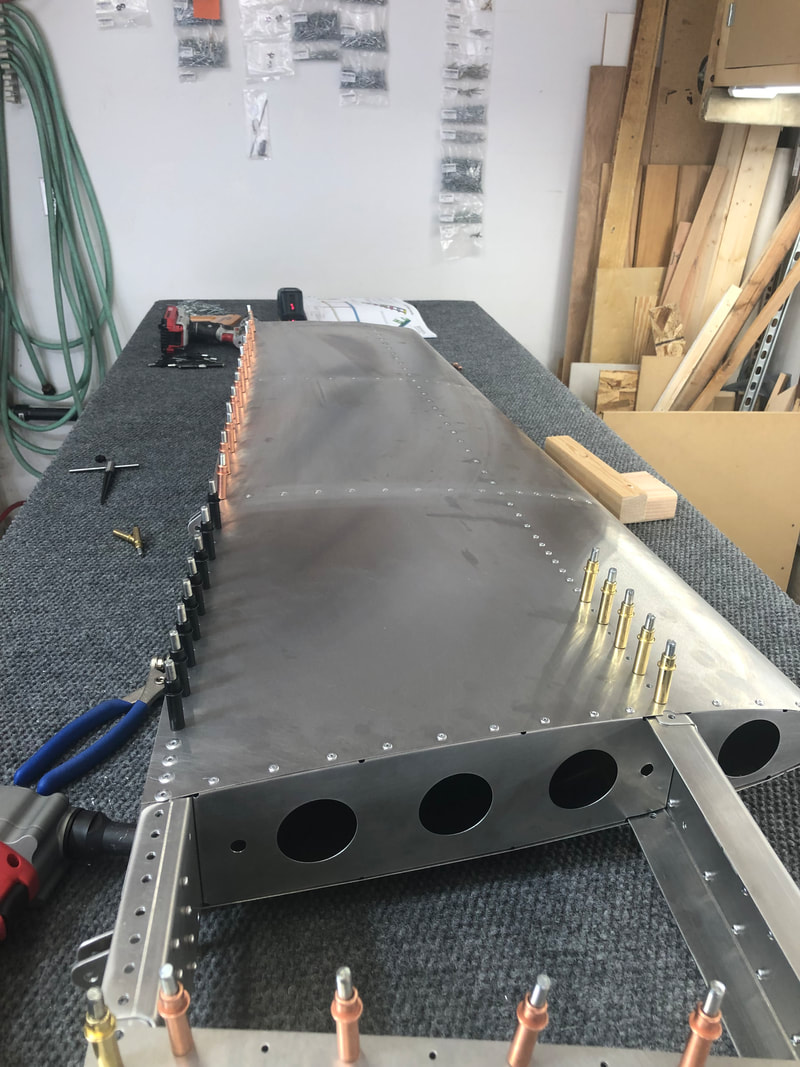
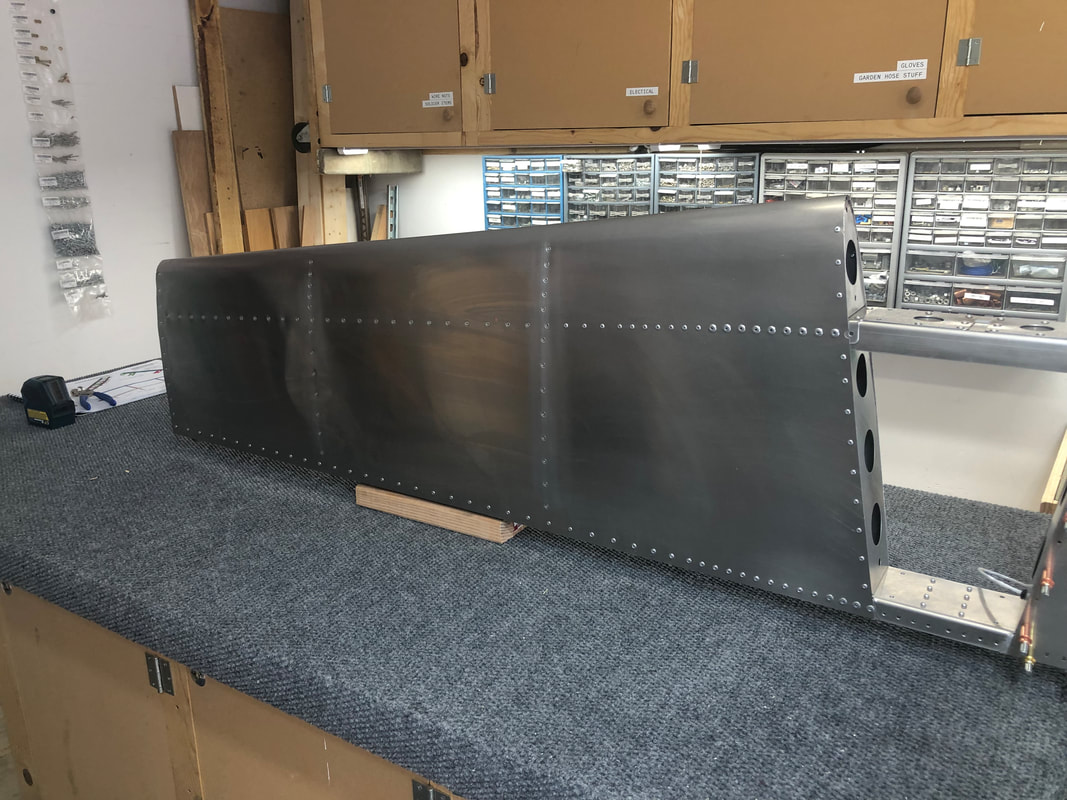
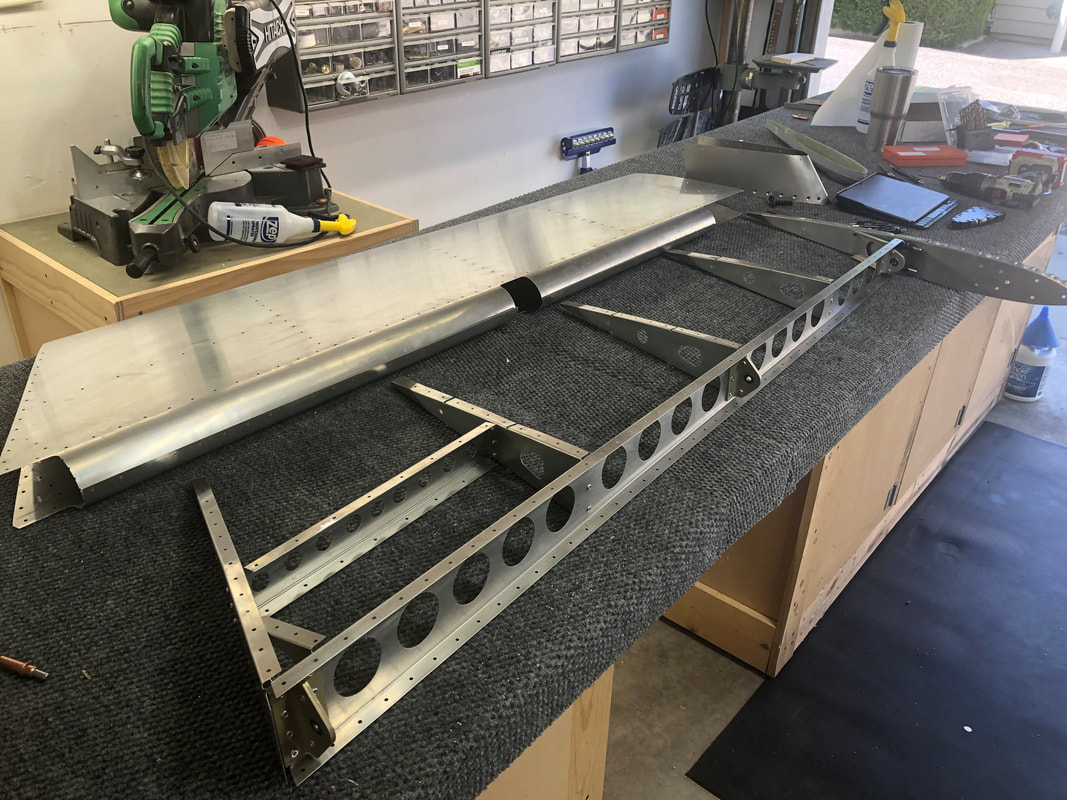
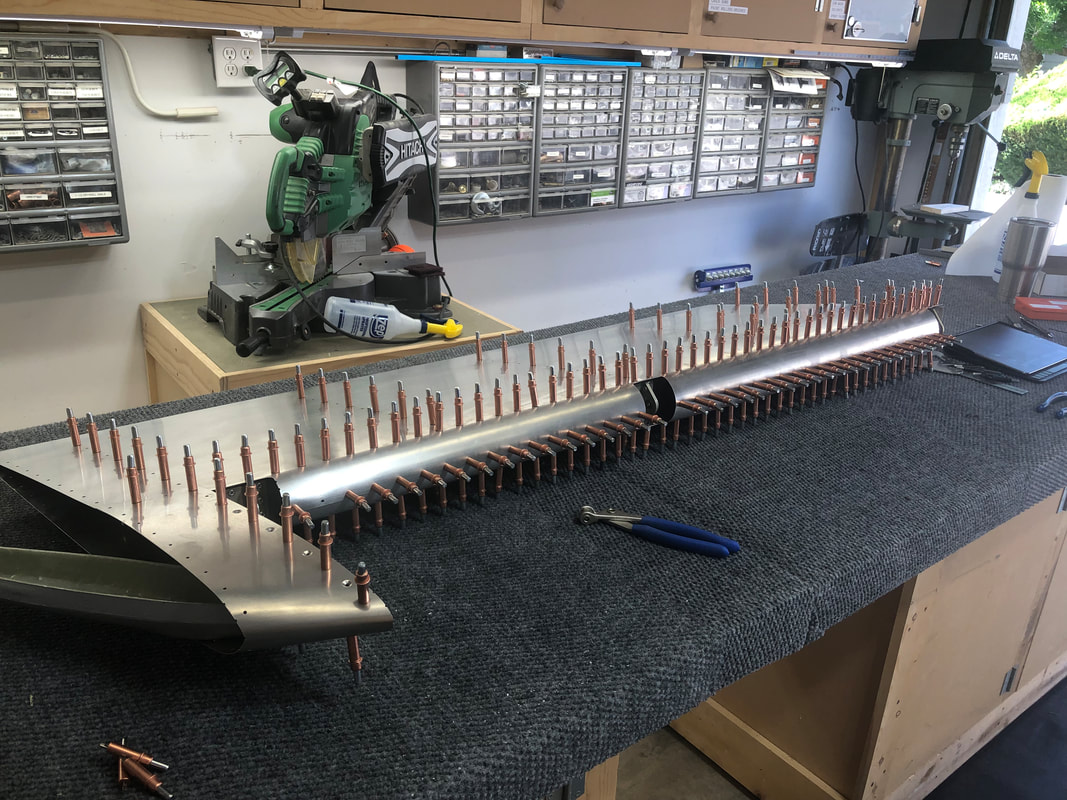
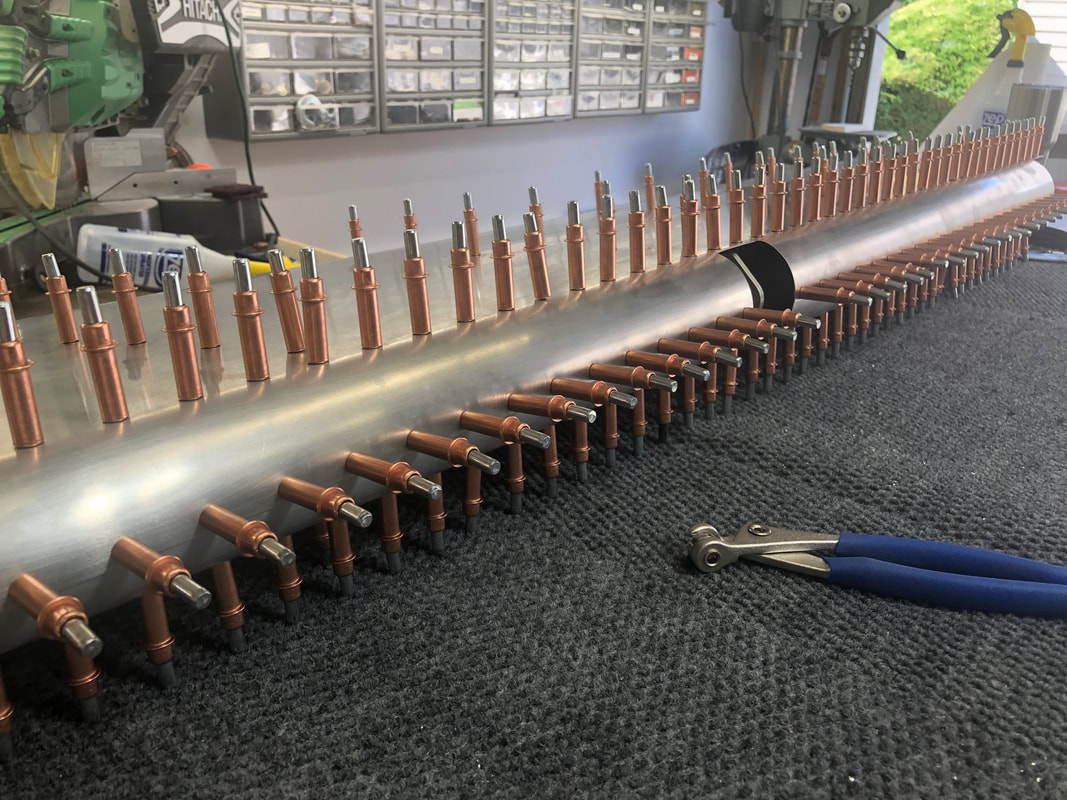
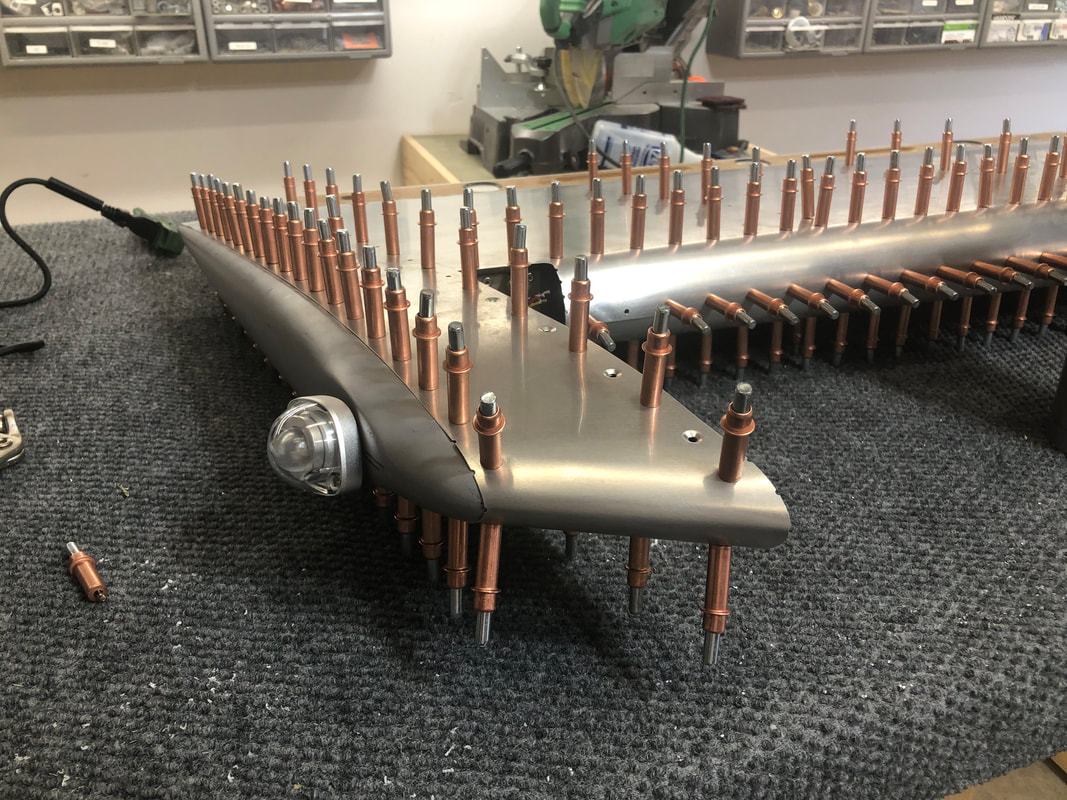
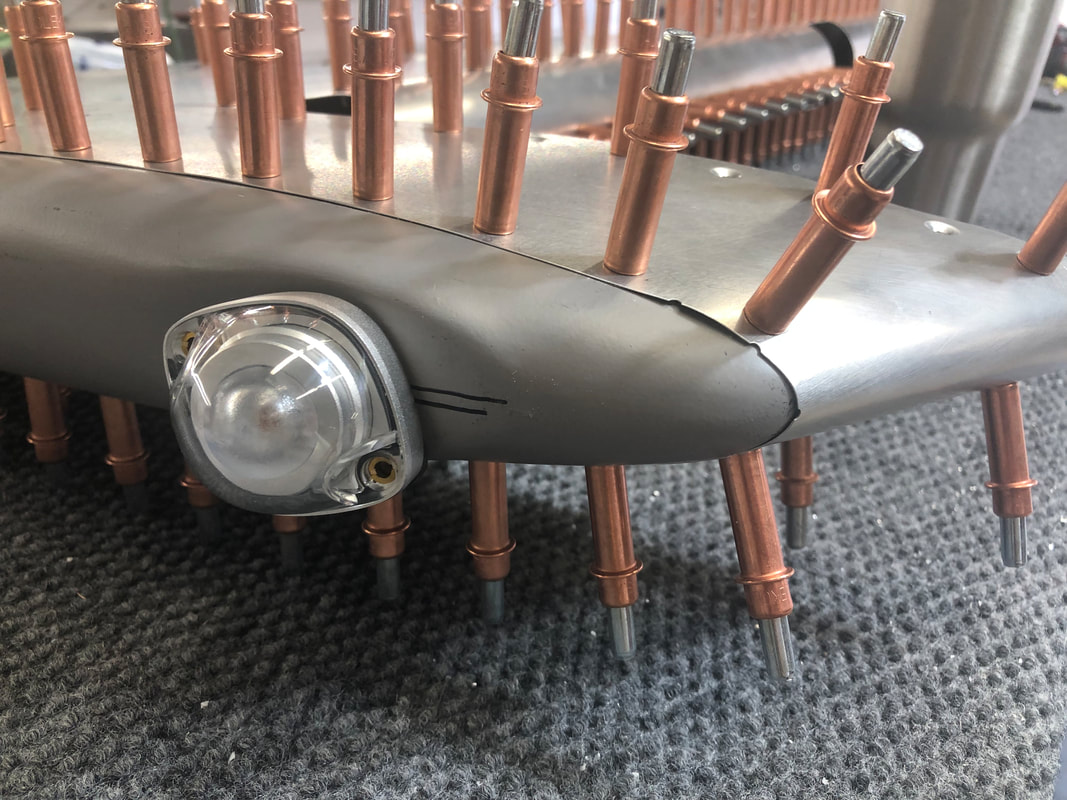
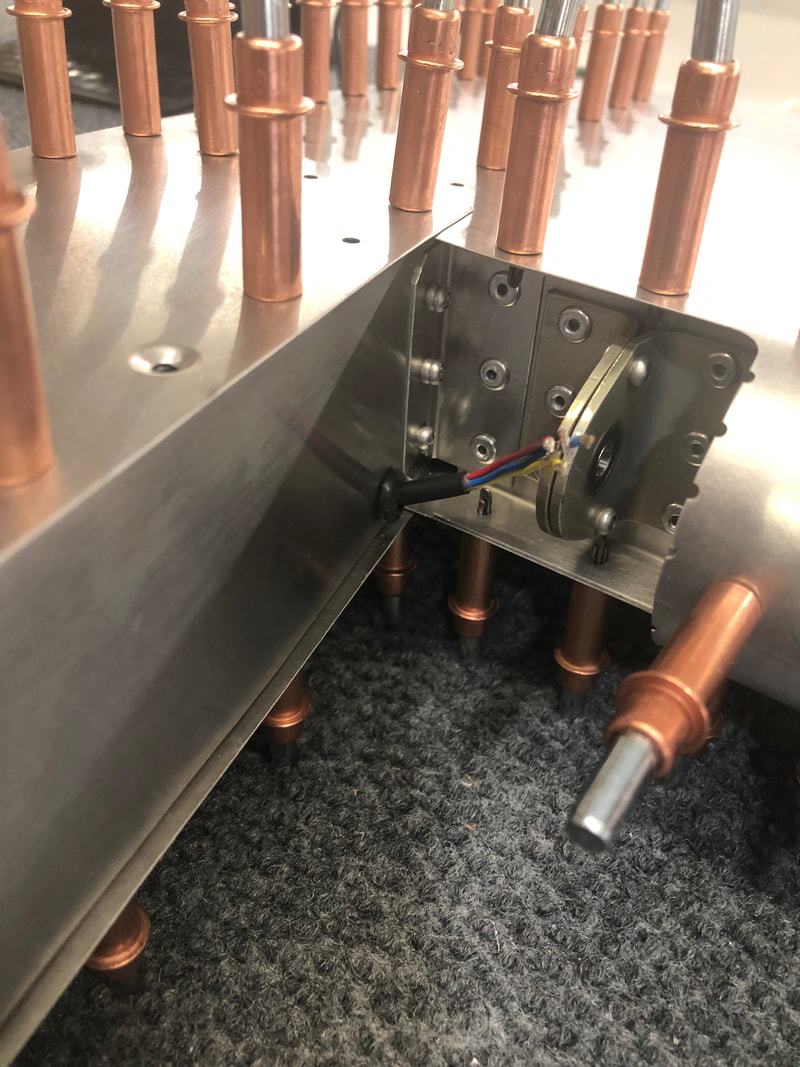
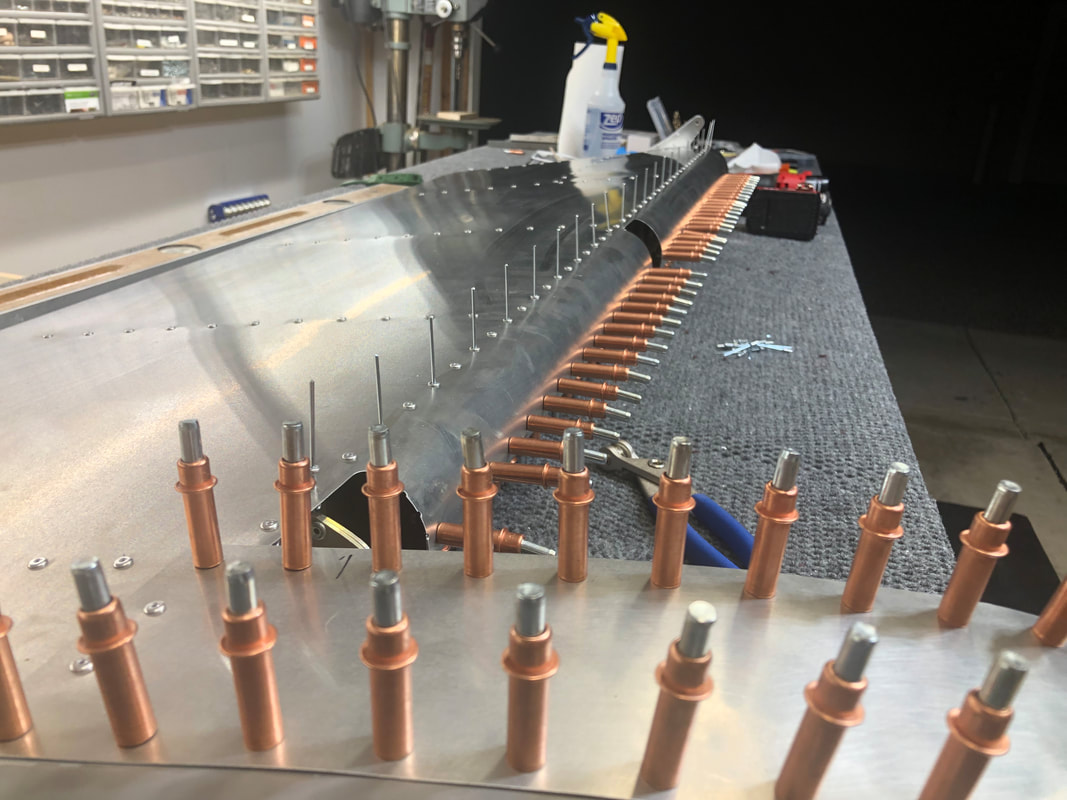
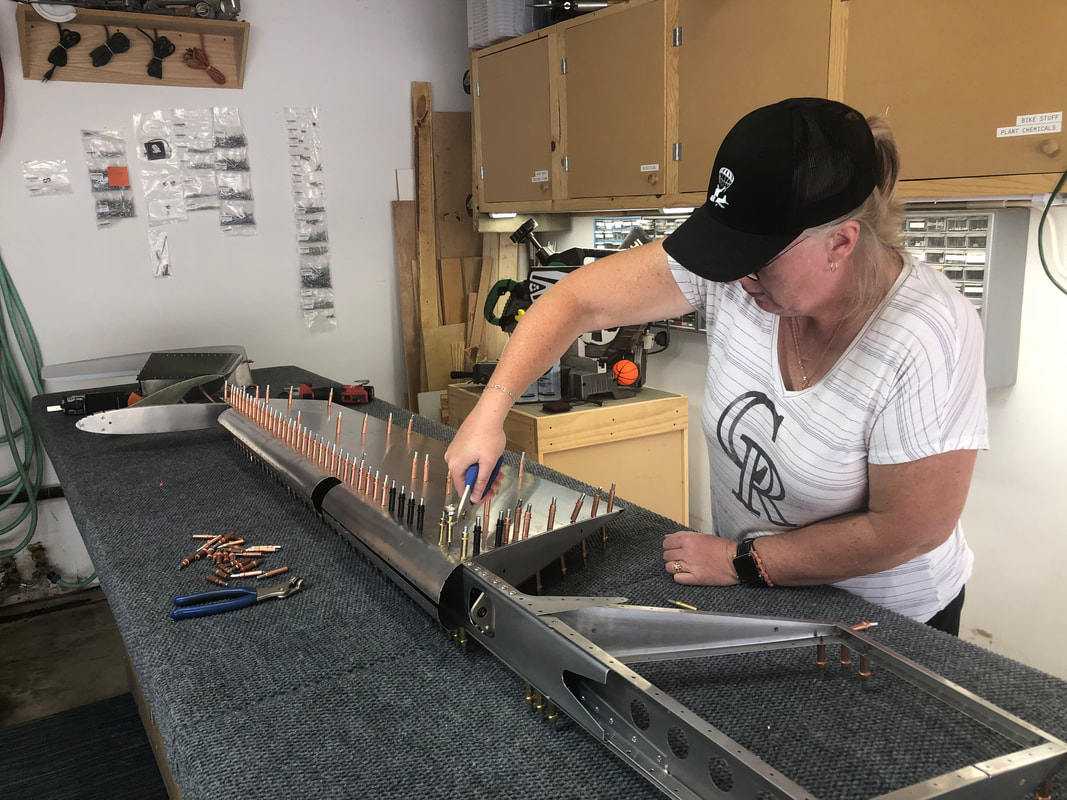
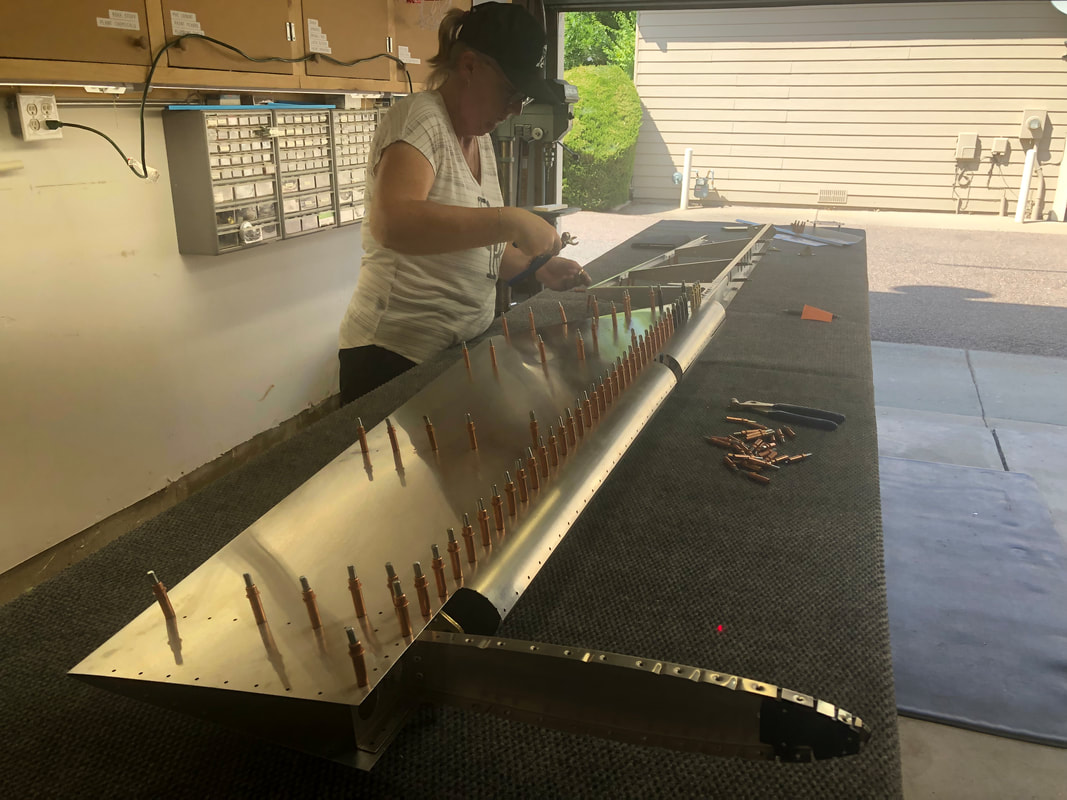
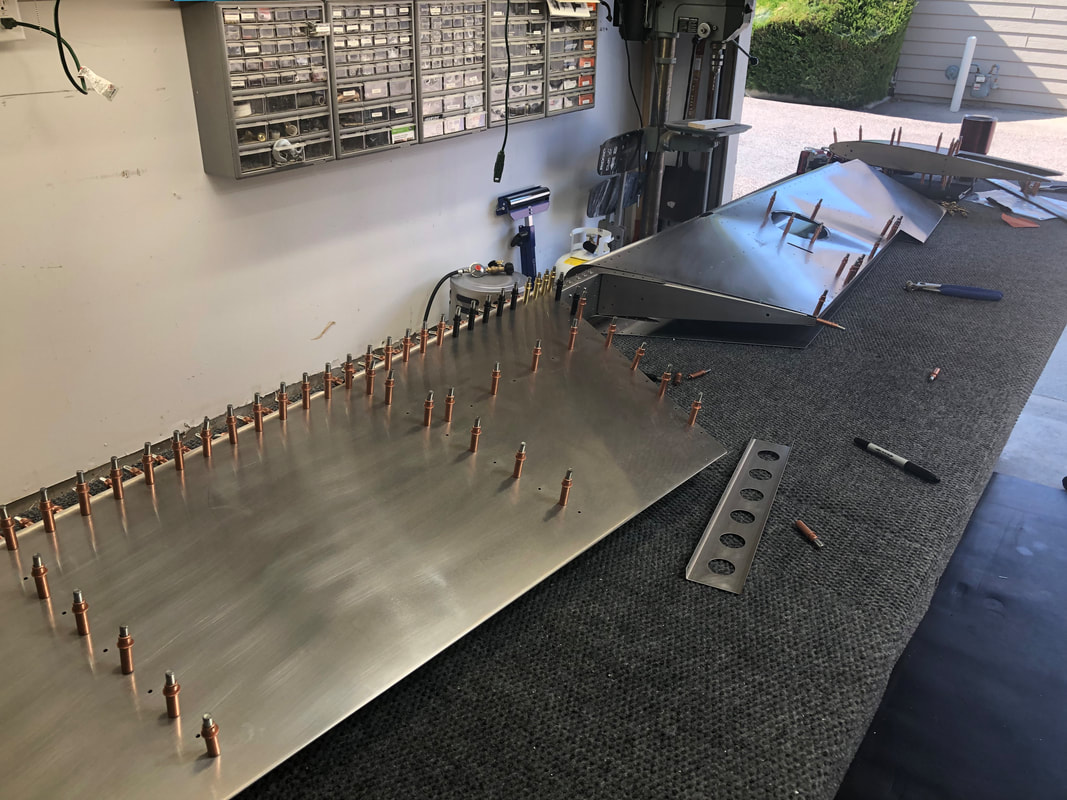
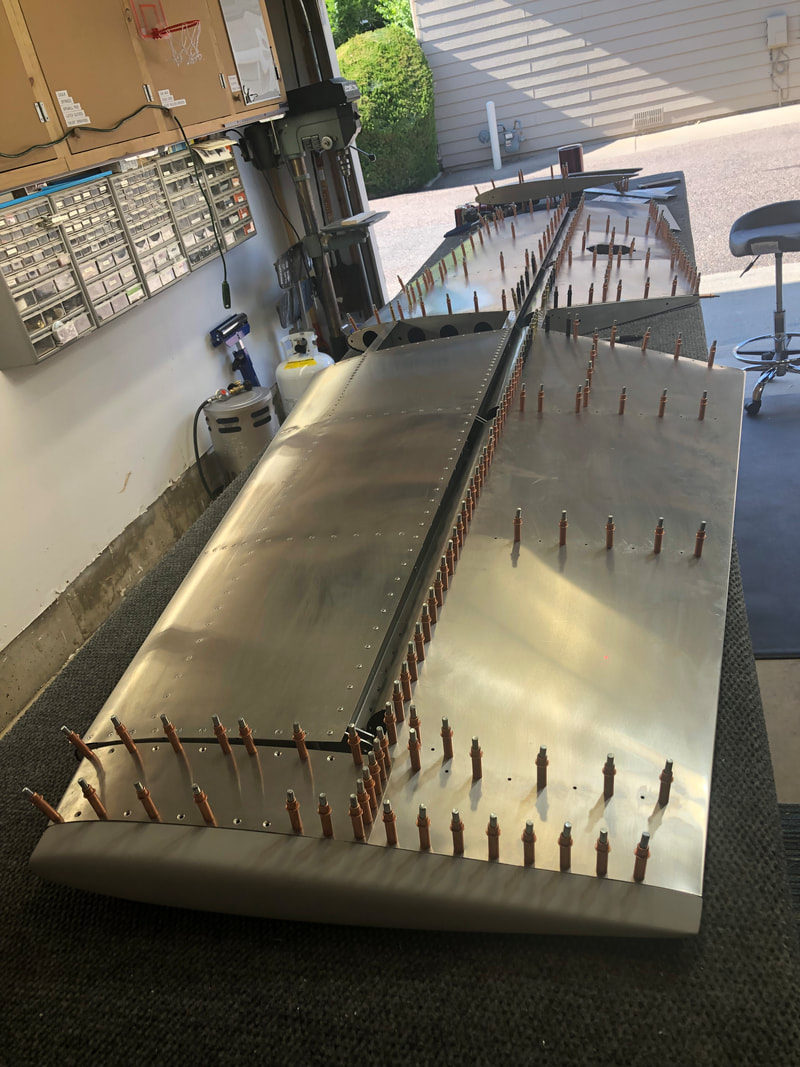
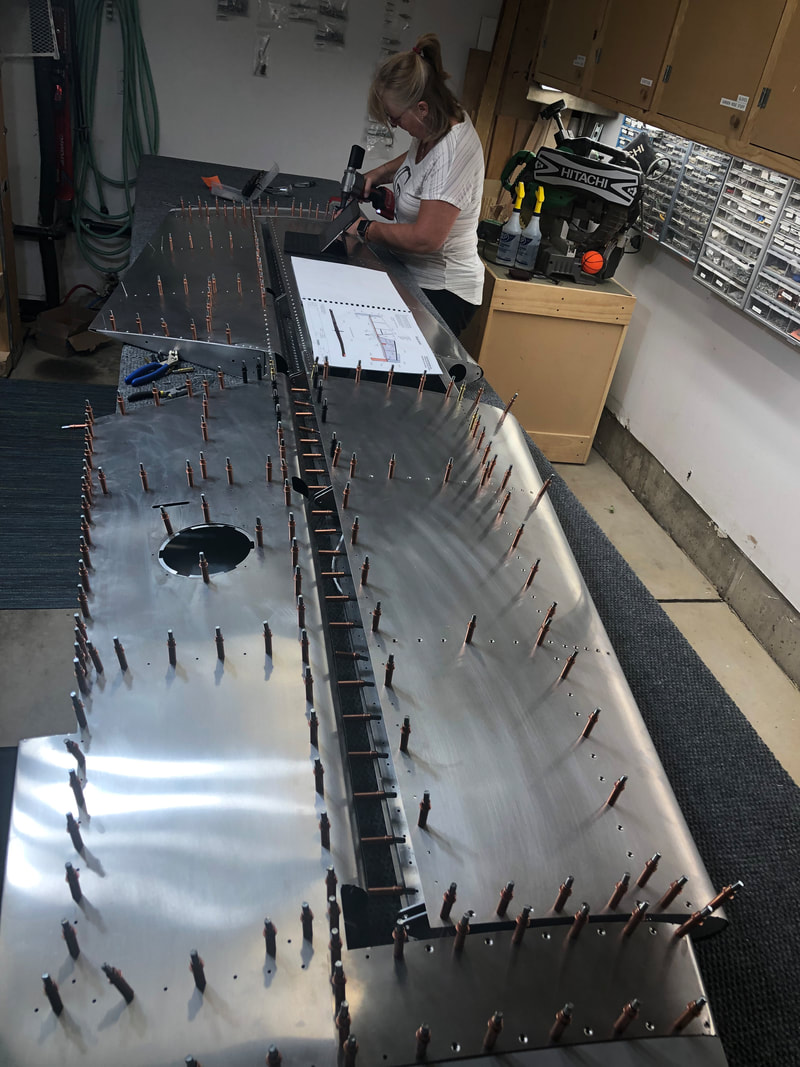
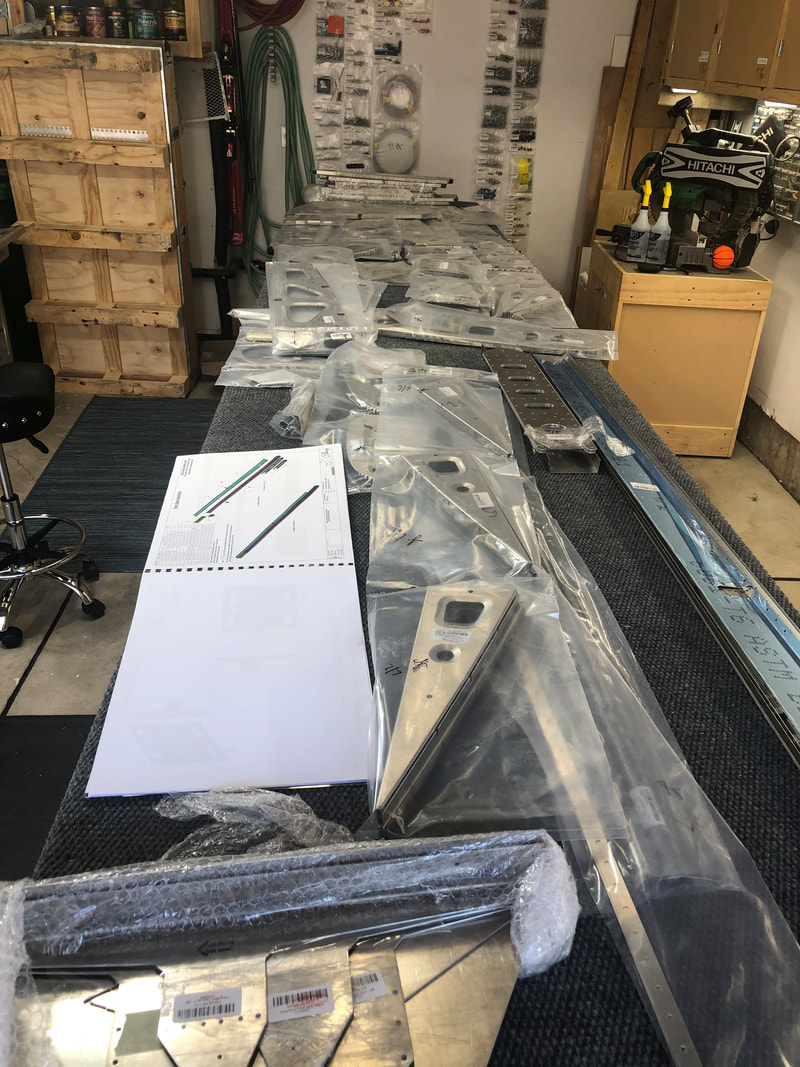
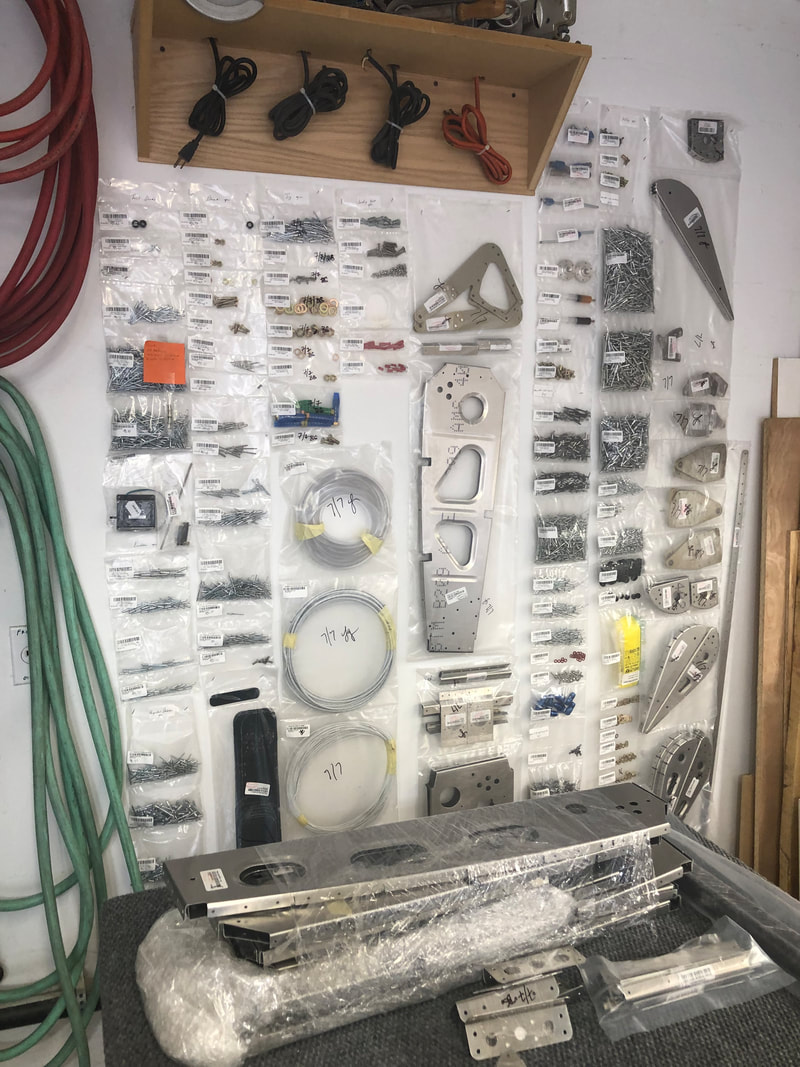
Building an airplane is an interesting experience.  It's been a month since my last update and it feels like I've accomplished little to nothing, when in reality I've got a good chunk of the wings together.  Having a week off at a time has helped a lot and the coming week is no exception.  What is slowing me down is parts.  For the wings, as I mention in the video, I am missing one very key part to be able to close out the bottom skin on the wings which will allow me to work on getting the wiring installed on both wings and the pitot tube on the left wing.  Apparently this part is very constrained because even the kits arriving now in Torrence are missing this part.

Thinks I need to get better on are working in the evenings (as I had planned) and taking more pictures.  I do continue to make progress as time goes by, but with the weather getting cooler and the days getting shorter it's harder to go out and spend time working on it.

At this time I have most, if not all parts for getting the fuel tanks at least underway.  I am looking at using a CEIS fuel sender vs. the stock one that came with the airplane as the CEIS has a much more modern way of sending fuel information to the Garmin system (think digital vs. analog).  I had these CEIS installed in the T210 I was part owner in for a while and I think we had an accuracy down to a half a gallon of what was actually in the tanks.  Another owners of a Tsi has reported some "stickiness" of the fuel level information and a need to "bang on the wing" to get it to read correctly, or in other words, loosen up the sensor so it takes a good reading.  Obviously something I want to avoid if I can.  I don't know if CEIS makes a sender for the Tsi, but I have reached out to them to find out at this time.  If they don't, no biggie, I'll use the stock ones that came with it and work with the issues as they come along.

Unfortunately this change may add several weeks in allowing me to close out the fuel tanks completely, but I think the time involved in going this route will be worth it, even if it is an added cost.

At this time I'm still hopeful that I can get all of the control surfaces finished before the end of 2021.  If I can meet that goal, then I feel like I'm on track to a 2 year build.  That is of course baring any delays in other shipments.  Instrument panels can take between 6 and 10 months as well as the engine delivery.  Those aren't small windows of guesswork delivery, so I'm inclined to order these very big ticket items sooner vs. later as I'd rather have them on-site waiting on me vs. weeks or months waiting on them.

I've been talking with Midwest Panels to do my panel and wiring work.  I haven't had much engagement with them other than in passing, but even at that level, their customer service makes going any other route other than to use them a no brainer.  I've experience nothing but responsiveness and clarity in all of my engagements, so I'm certain I'll be happy with that process.

Oh - and we did settle on a color for the plane and interior.  As for the paint scheme - that's a whole other level of "what should we do".  We needed paint schemes so we can pick interior colors and get that process going as well.

Anyway - enjoy the pictures that I have and the video.  Hopefully in a month you'll see fuel tanks!  :D
0 Comments

Mid-September 2021 Update

9/16/2021

1 Comment

 
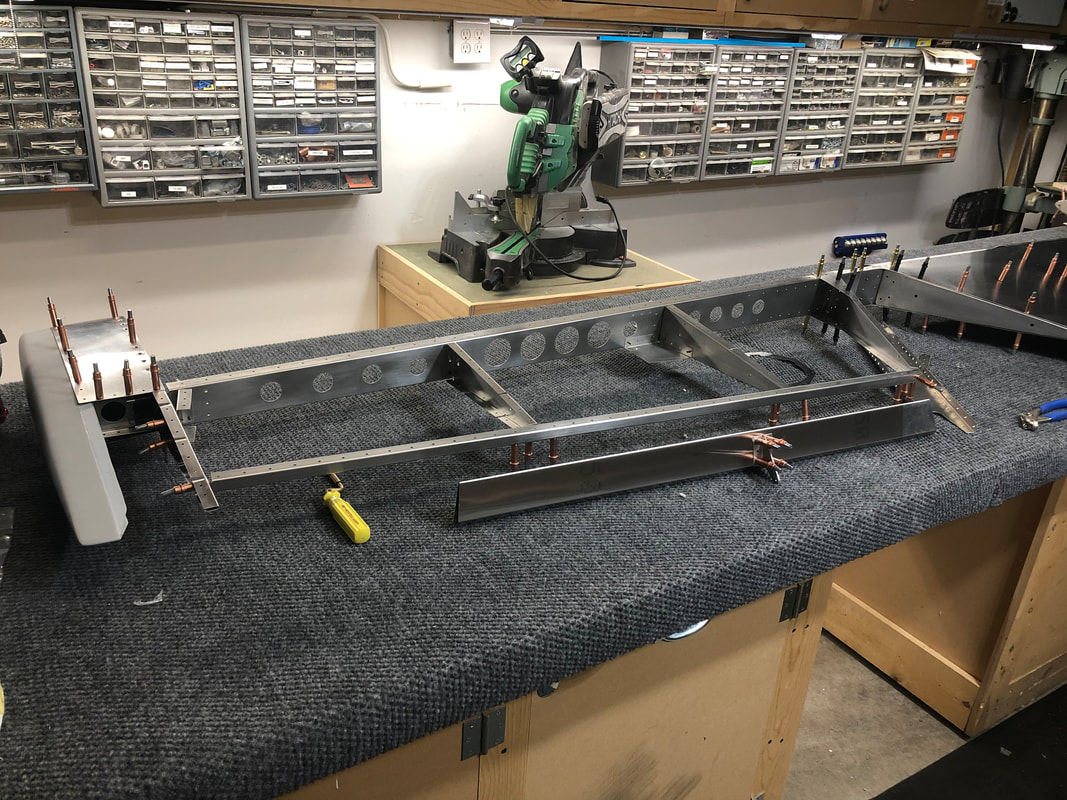
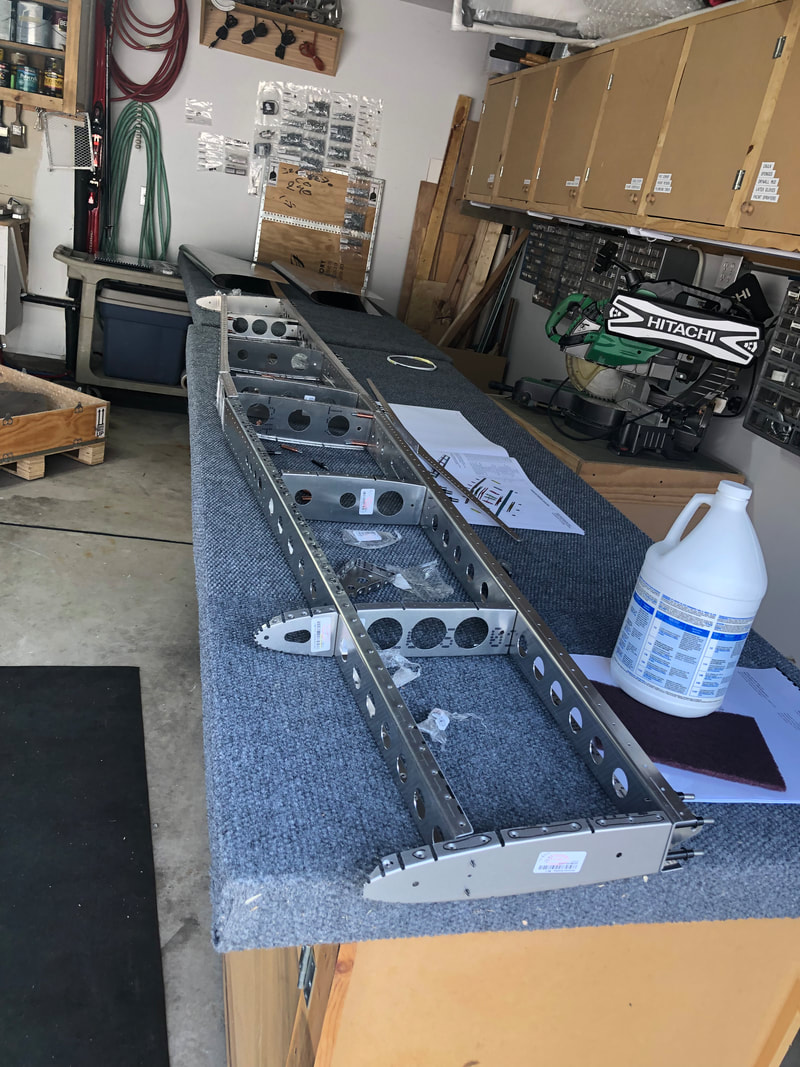
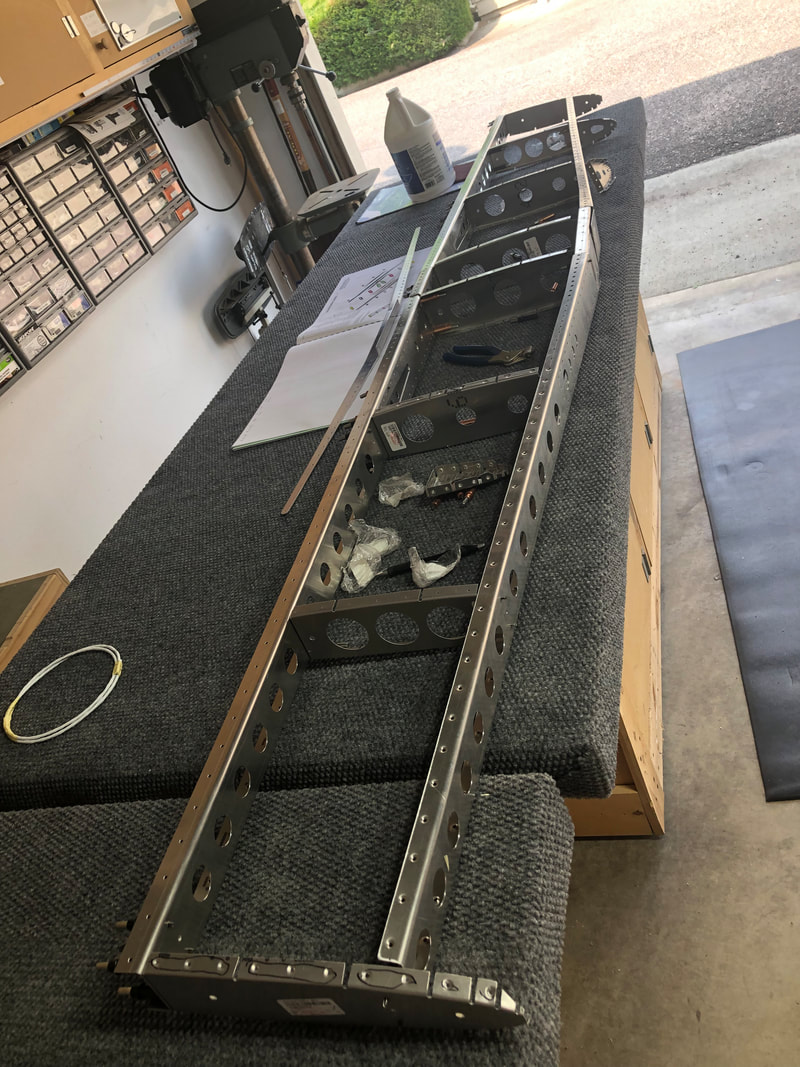
Since the last post we've made some good progress on the left wing.  The spar and ribs are pretty much together at this minus a few key parts.  I'm working around the items I'm waiting on the best I can to keep the project moving forward.  The past week I have been a bit under the weather so no real progress in that area. 

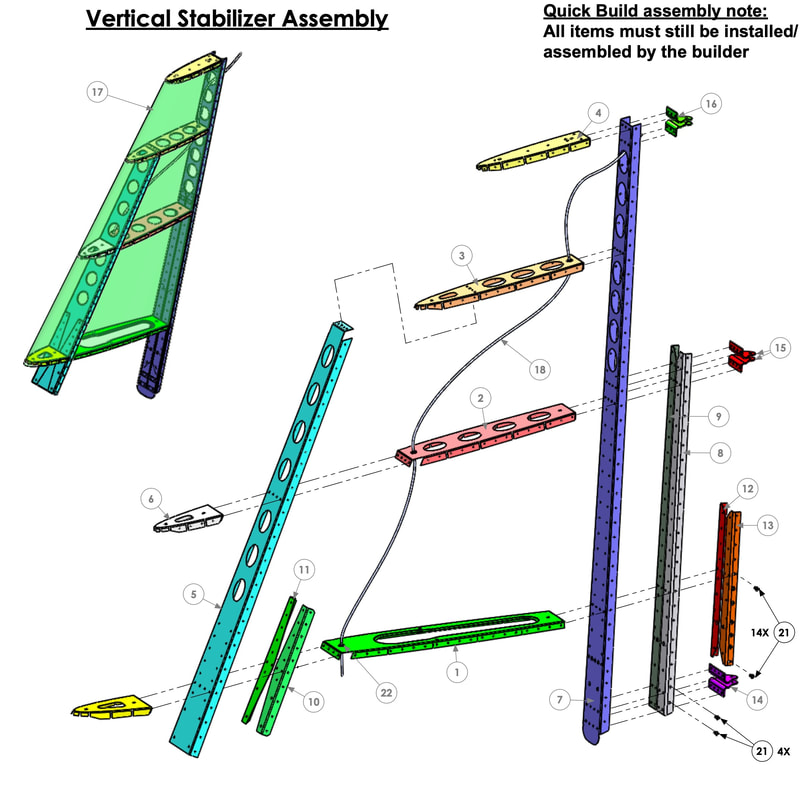
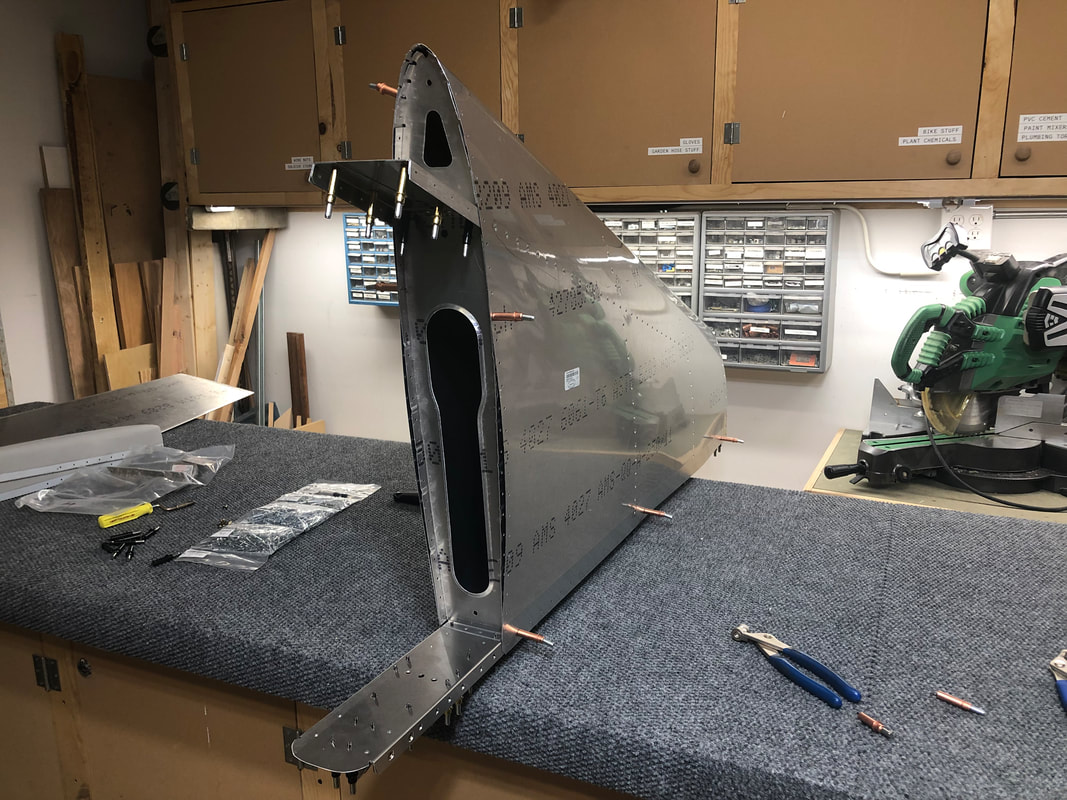
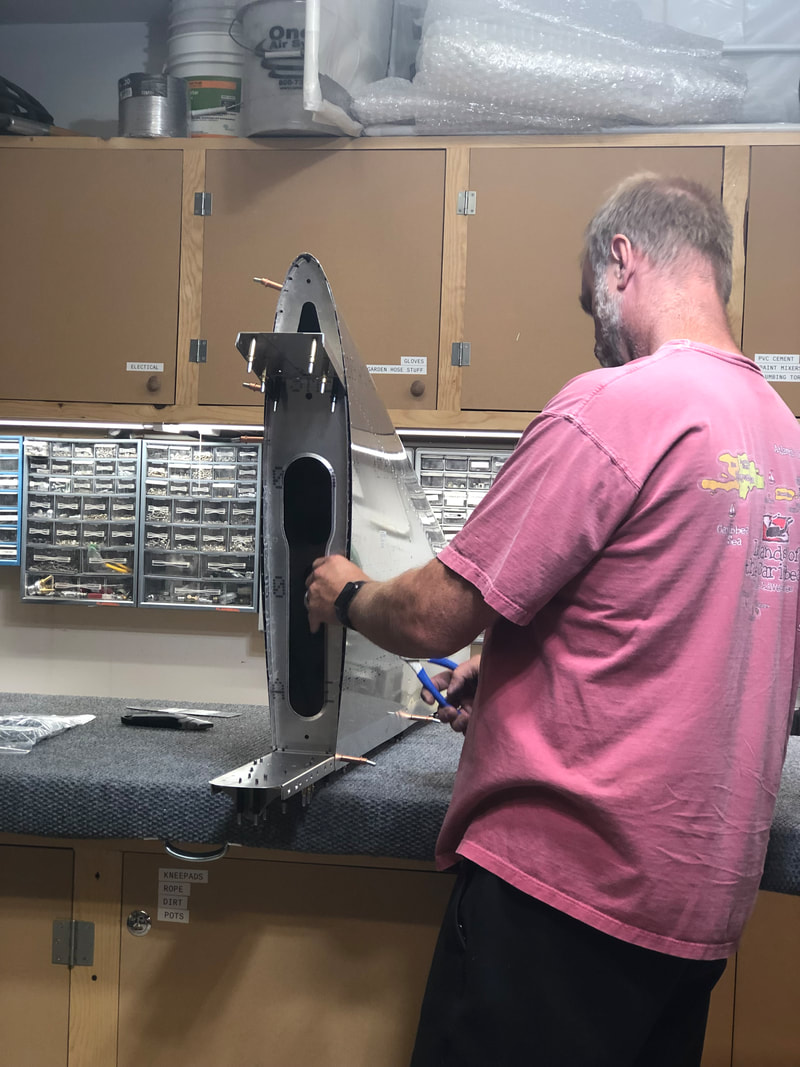
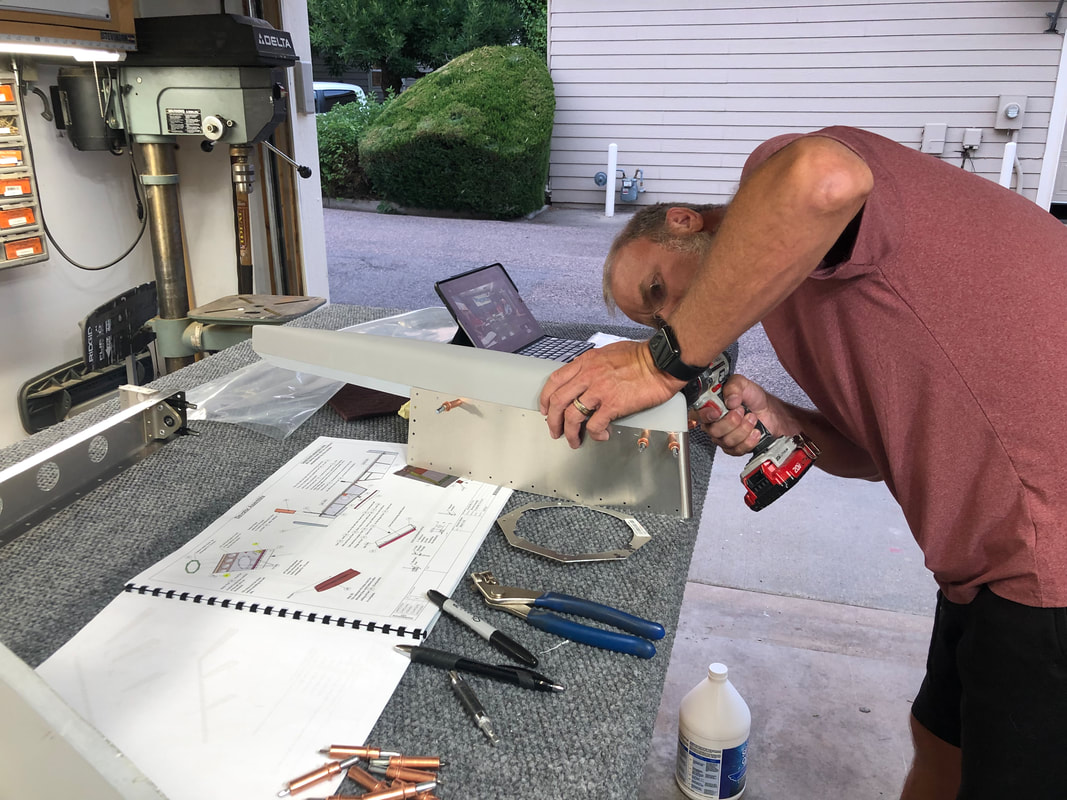
​Once we got the empennage mostly together we started working on the right wing.  I say "mostly together" because we do have a few parts here and there that we need to be able to close out the horizontal stabilizer, elevator and I'm working on some slight customization for the vertical stabilizer including the VOR antenna.  

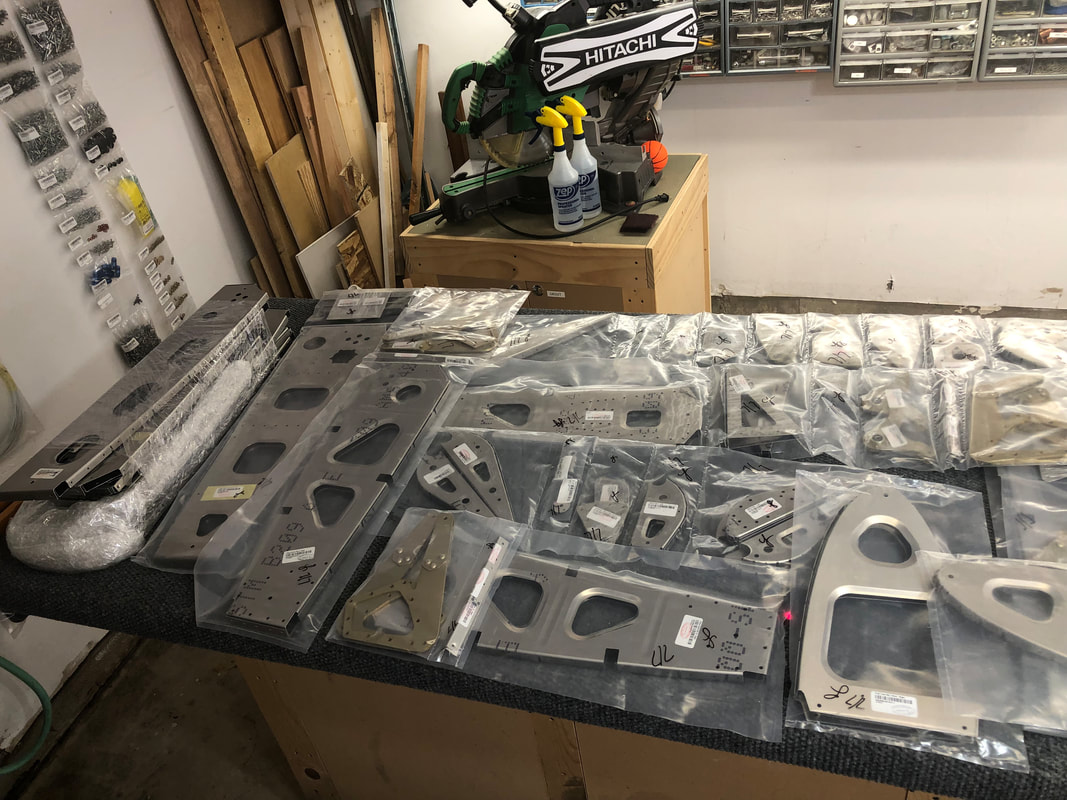
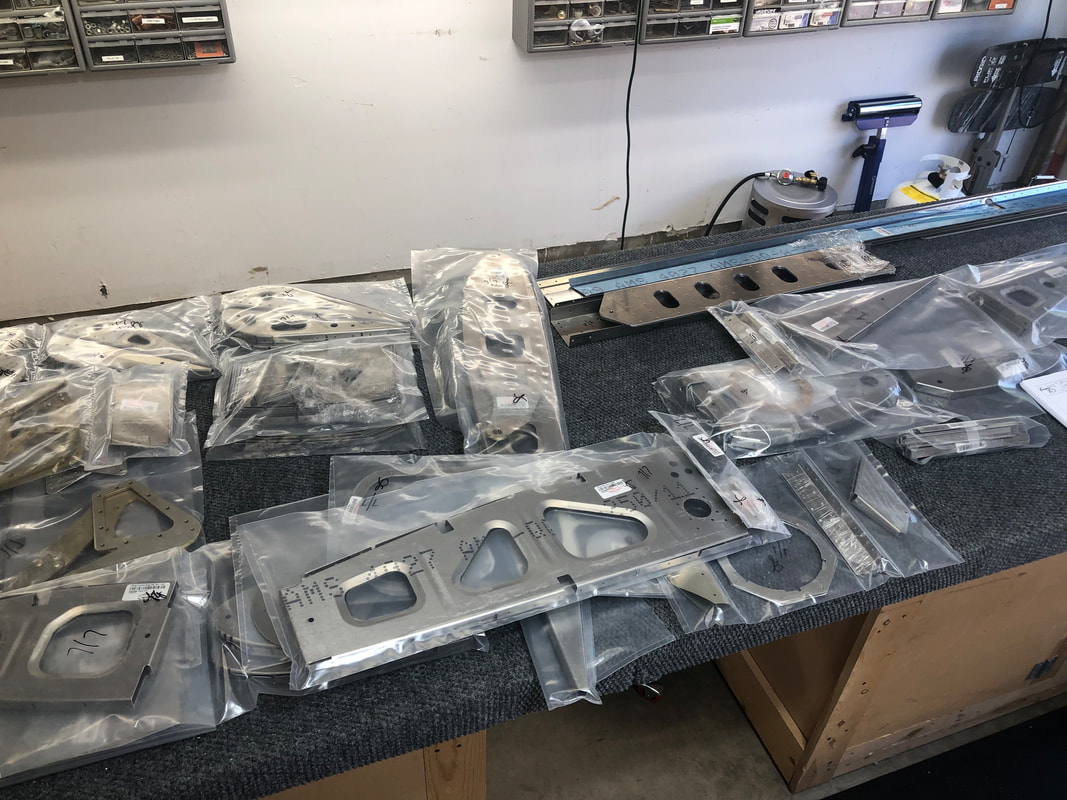
The wing's aren't too bad to assemble.  The biggest problem I had so far is the torque setting on the wrench.  I'm still fiddling with that to get it right.  I'm missing the Flap Torque Tube Assembly which needs to go in before some of the ribs.  I'm working around that at the moment but trying to get as much done in the process of waiting.  I think I'm also missing one of the leading edge ribs, but I'm going to work on that this weekend by checking to see if the skin for the fuel tanks fit up to that point.  If it does I may be mis-interpreting the build plans.  We'll see.

​Beyond that, this go-round was just a lot of removing the protective covering, cleaning the skins, deburring and assembly.  Much of the next couple of weeks will be working on the left wing.  I got the electrical wires and upgraded pitot tube ordered from Midwest Panels this week, so that will be a bit of a waiting game now.  

What else?  Let me know if there is anything I can answer questions on, or if you'd like to see more of anything during the build.
1 Comment

Working on the Vertical Stabilizer, Horizontal Stabilizer and Elevator

8/30/2021

1 Comment

 
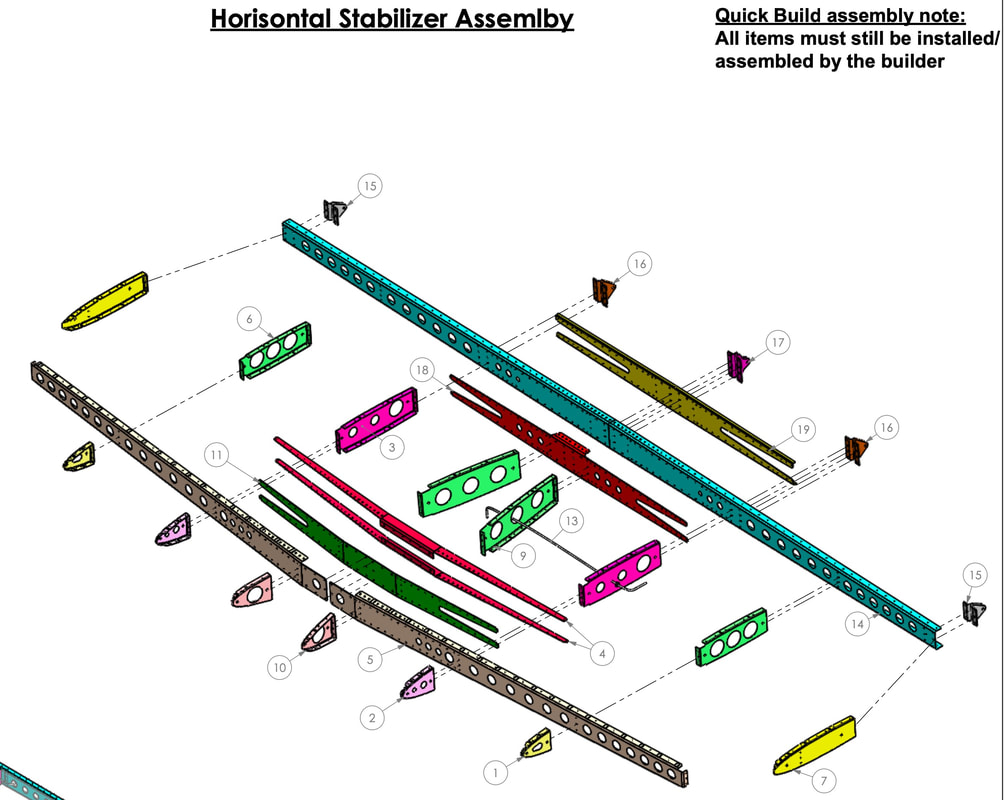
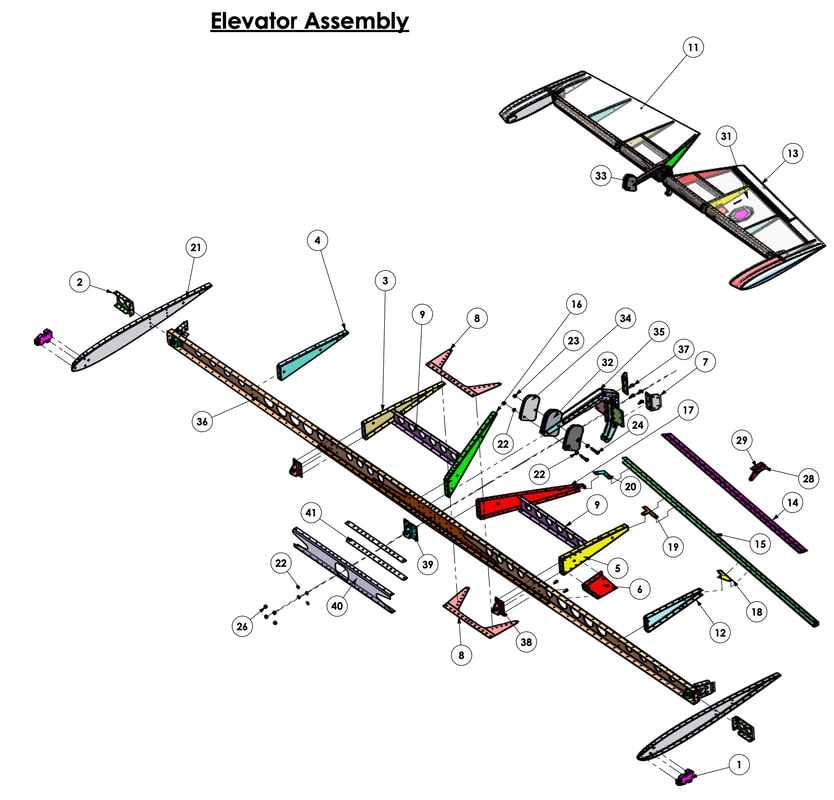
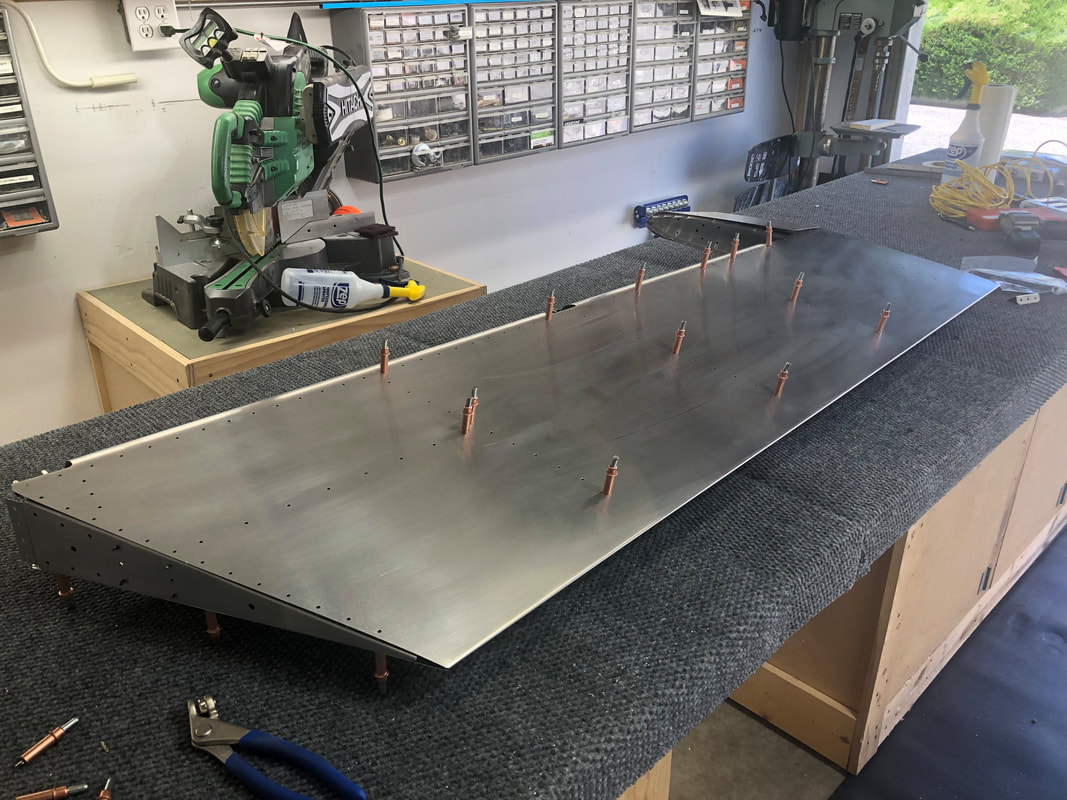
The past week I was off of work and spent a fair amount of time getting the elevator and horizontal stablizer as far along as I could. We are missing a couple of critical parts to be able to close out each segment but I am not wanting to wait around for the final pieces to come in and am instead choosing to close up what we can and leave the rest held together with clecos.
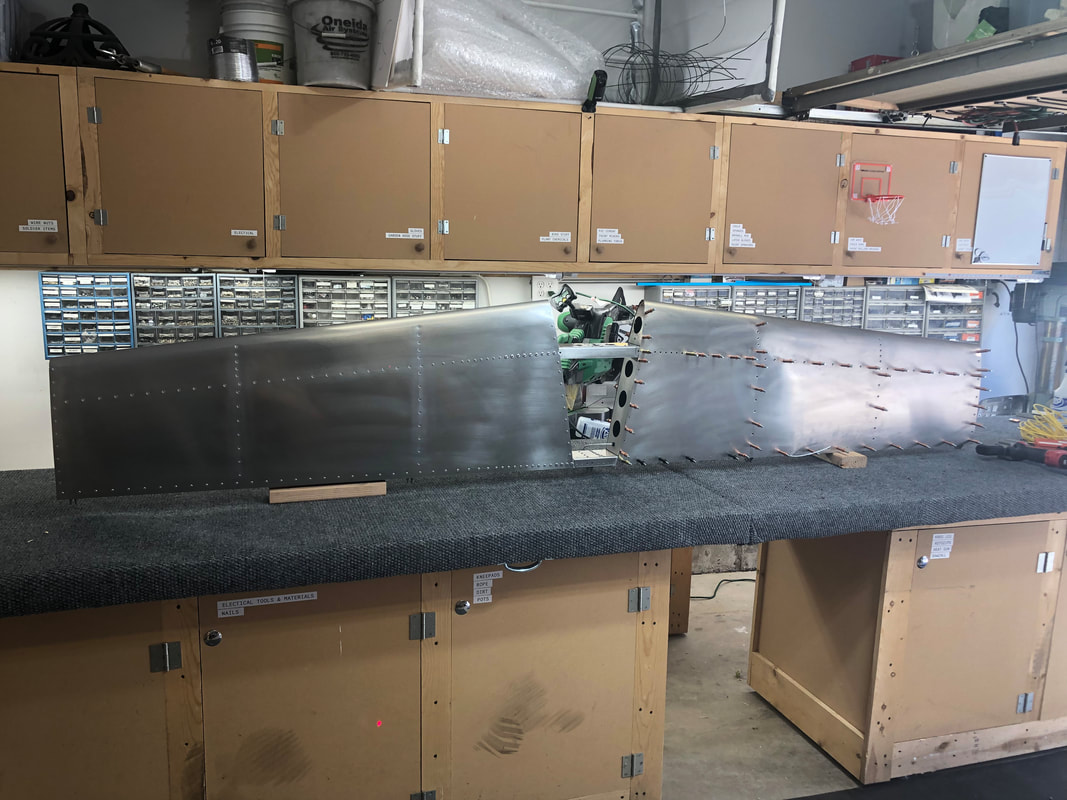
By and large the kit is going together well.  The instructions are mostly easy to read.  The parts that consume a lot time are trying to find the parts and then trying to sort out in which order they go together.  Both of which can be worked through once you get an idea of how things are laid out. 
1 Comment

Weekend of August 22nd

8/22/2021

0 Comments

 
​Spent a fair amount of time today getting the horizontal stabilizer assembled. I got a number of parts delivered one of which was preventing me from getting the beginnings of the horizontal stabilizer together. Now I’m just missing one rib on one side. But I can get the other side riveted together. Tomorrow I’m going to check for square on the stabilizer and if all looks get that done and start working on the rudder.
0 Comments

Catching up...

8/17/2021

0 Comments

 
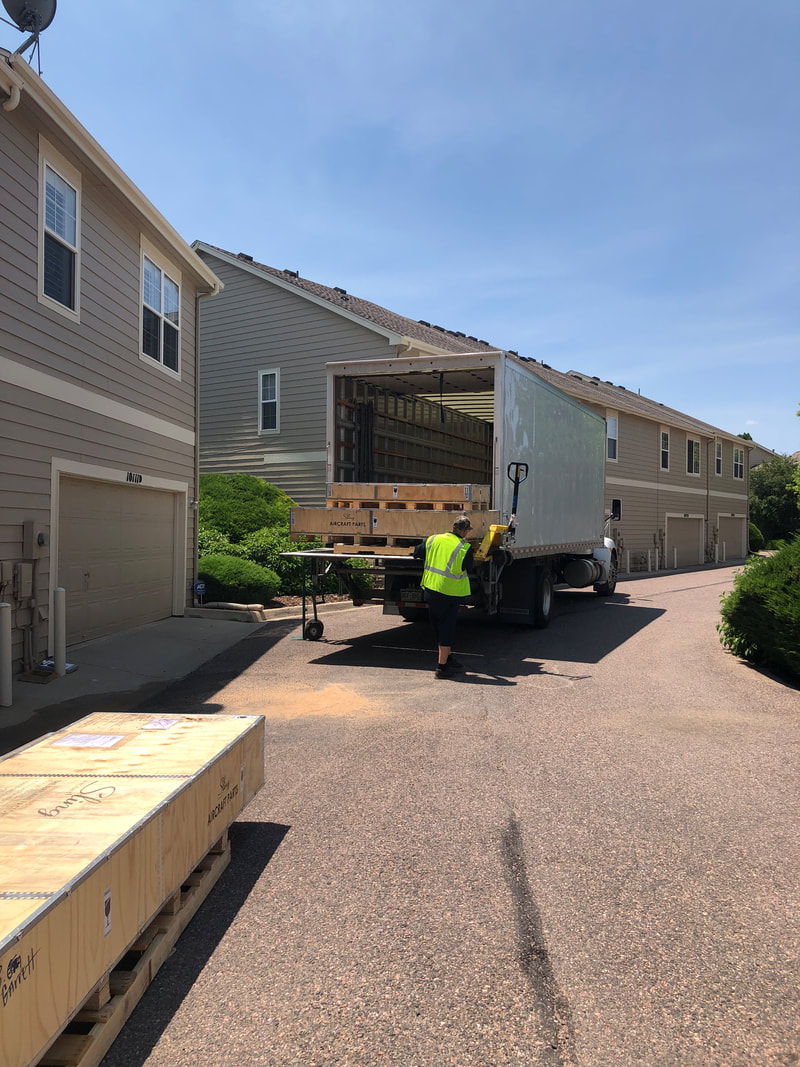
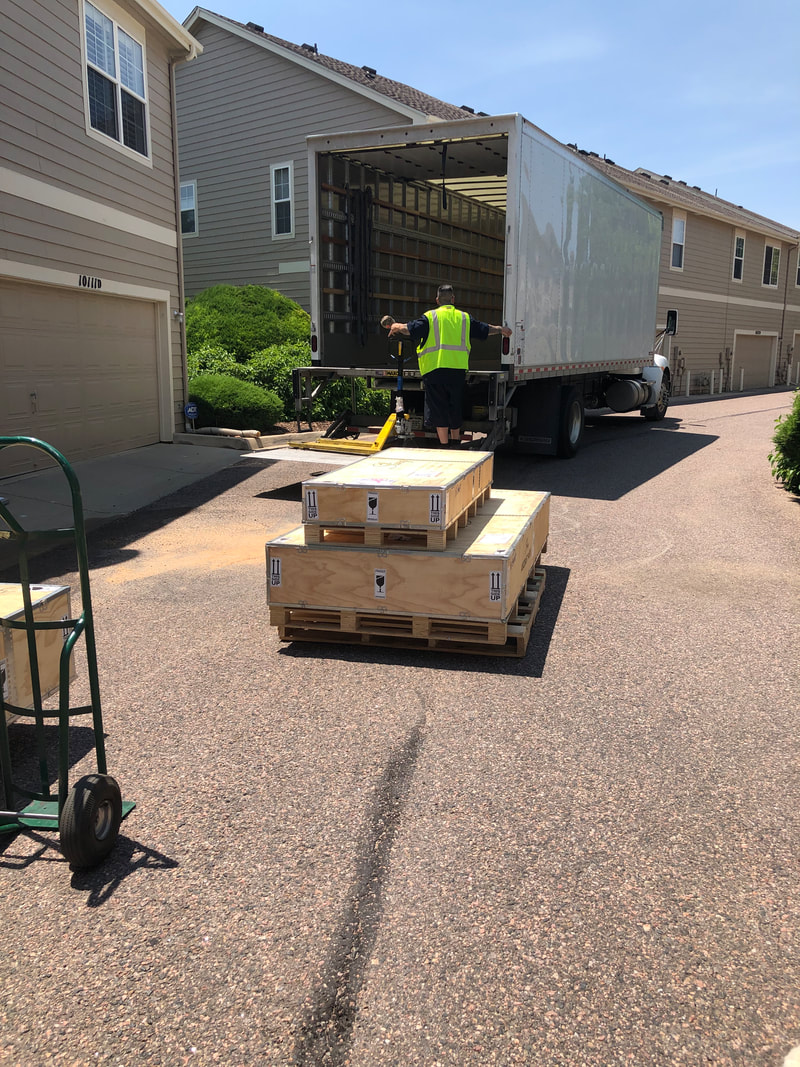
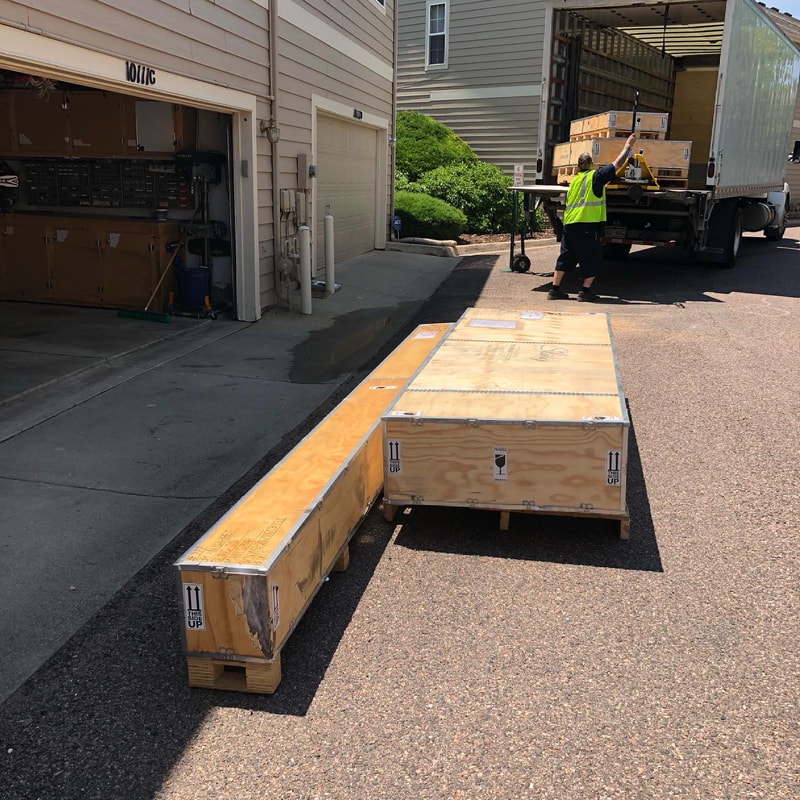
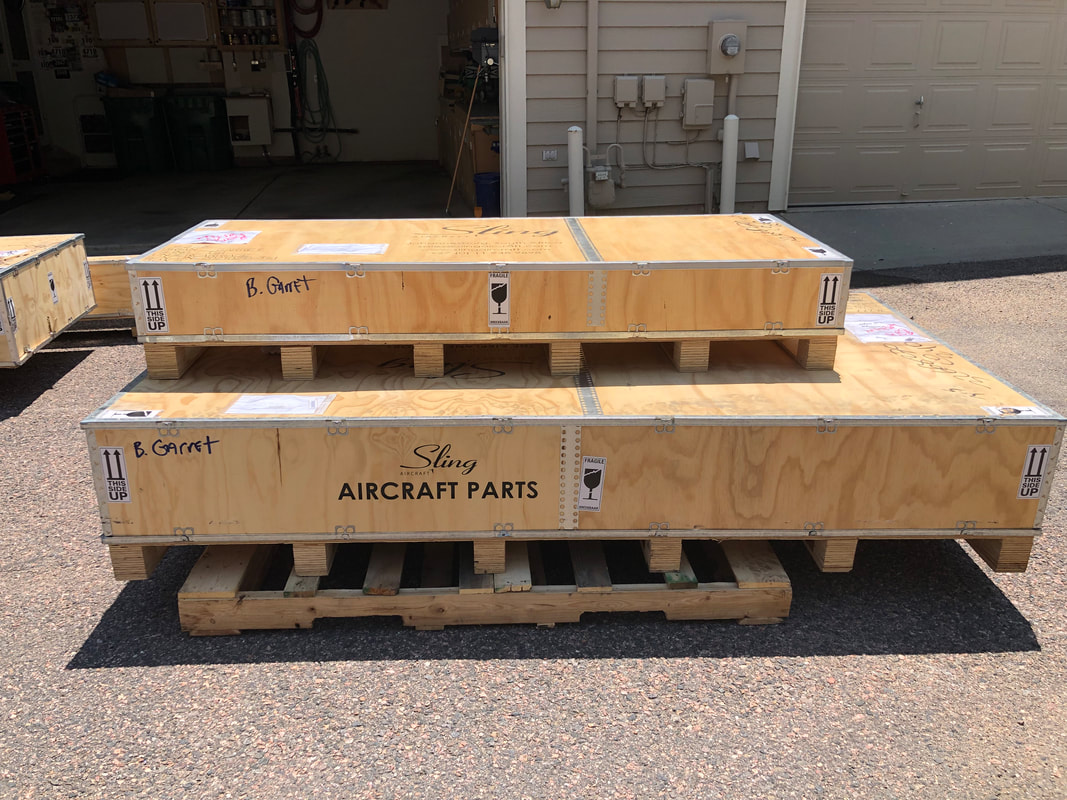
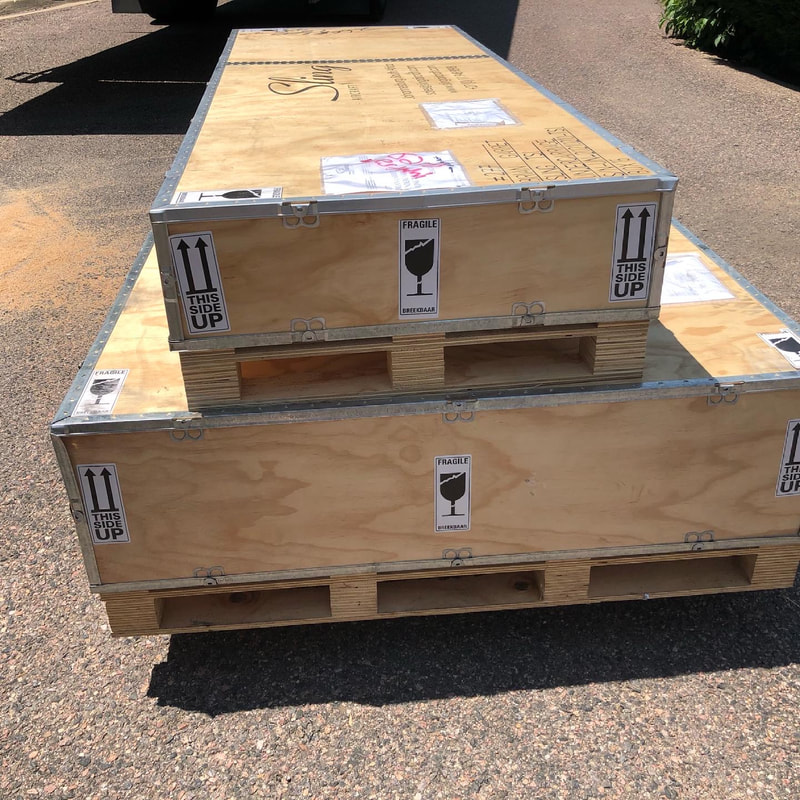
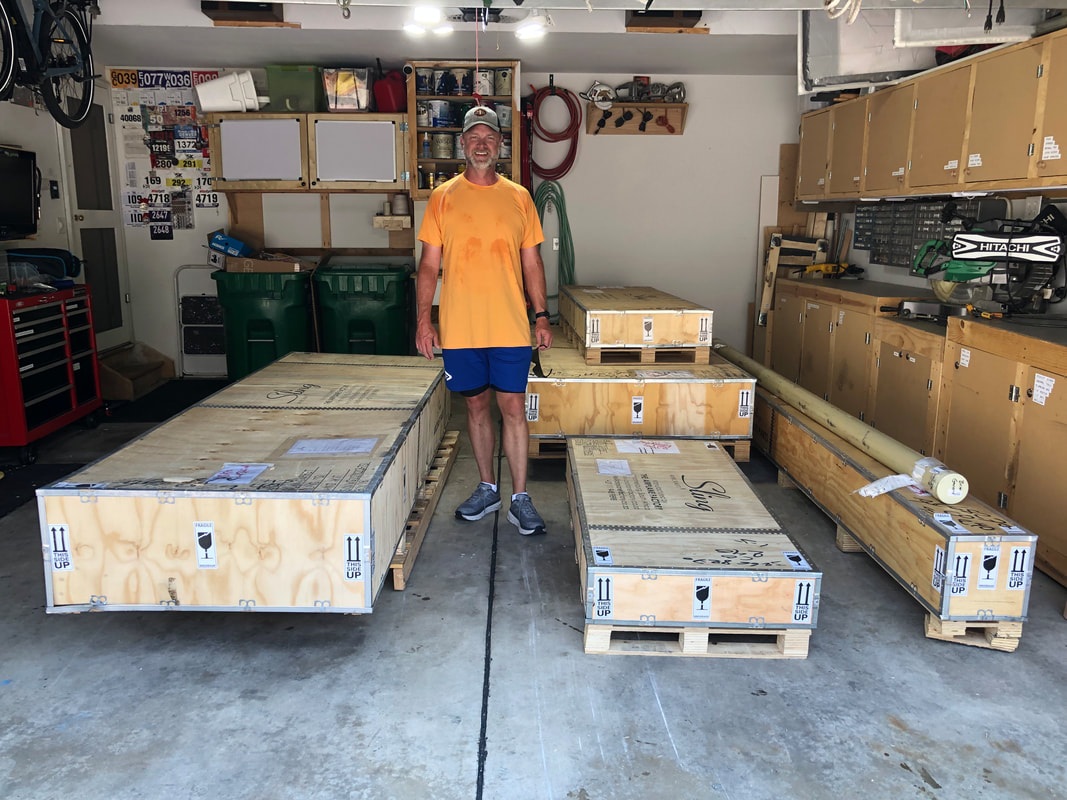
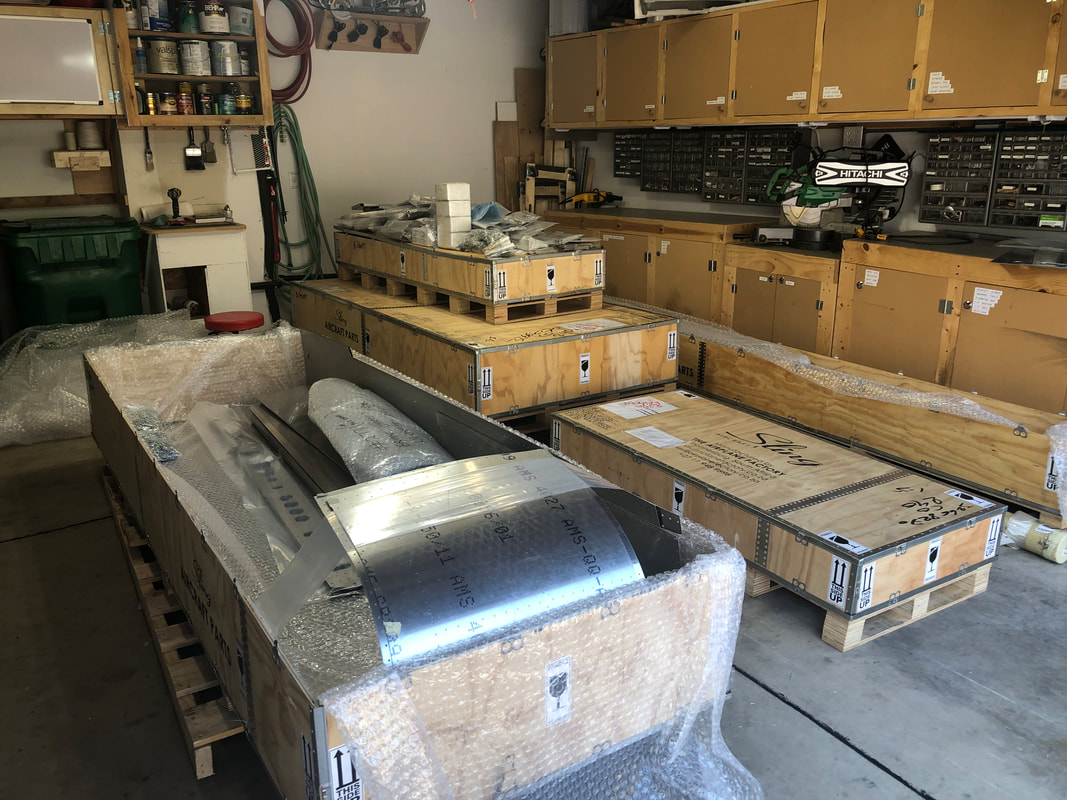
It’s been a little over a couple of months since my last update and a lot has happened in that time.  The biggest news of all is the wait is over!  On July 8th we took delivery of the empennage kit, the wing kit and the fuselage kit.  All in all it was 5 very large boxes and a couple of longer tubes.  The delivery driver actually works for a company that specializes in shipment of aircraft parts and has a few decades of experience in doing it.  He clearly loves his job.
Picture
Picture
The wing spar and the box of the wing parts are shown here.
Picture


This kit contains the undercarriage kit and fuselage kit material.  Both from the front and the side
Picture
Picture
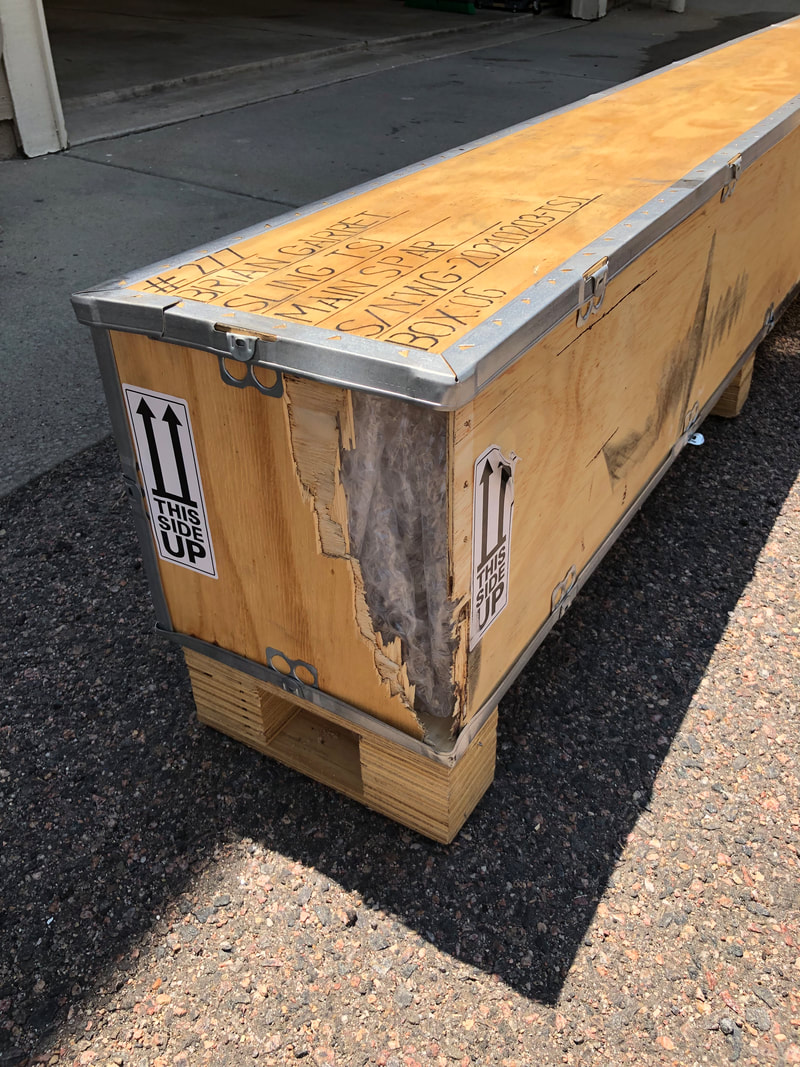
There was a little damage to the end of the wing spar box, however there was so much packaging material around it that it really didn’t make much of a difference.  We definitely made sure we inspected it pretty closely just to be sure
Picture
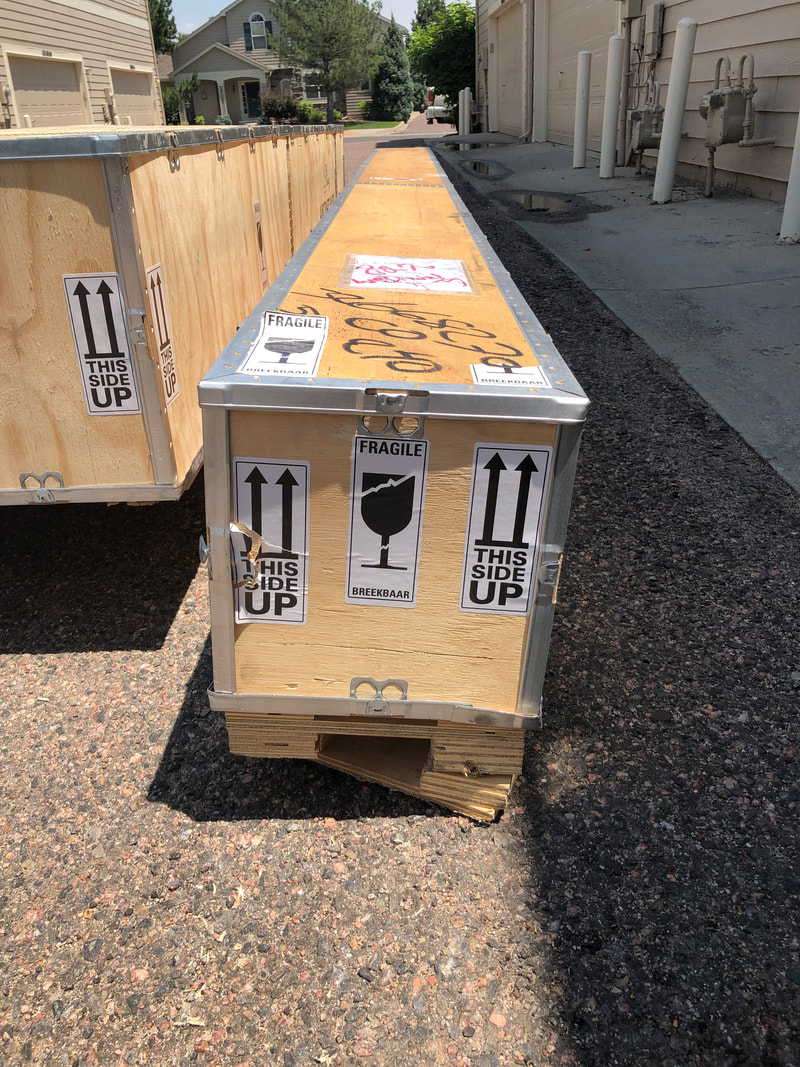
The other end faired much better.
Picture
When the shipping company called me to let me know the delivery was underway, they gave me an ETA of about an hour until it would arrive, so I headed out for a quick walk.  I was about 15 min into my walk when I got a call saying “the driver is here”.  Not a big deal in the end, but it was just kinda funny about the disconnect between the driver and the dispatch center
Picture
We’re now ready to get busy!
Picture
We cracked open the wing box to take a peek inside
Picture
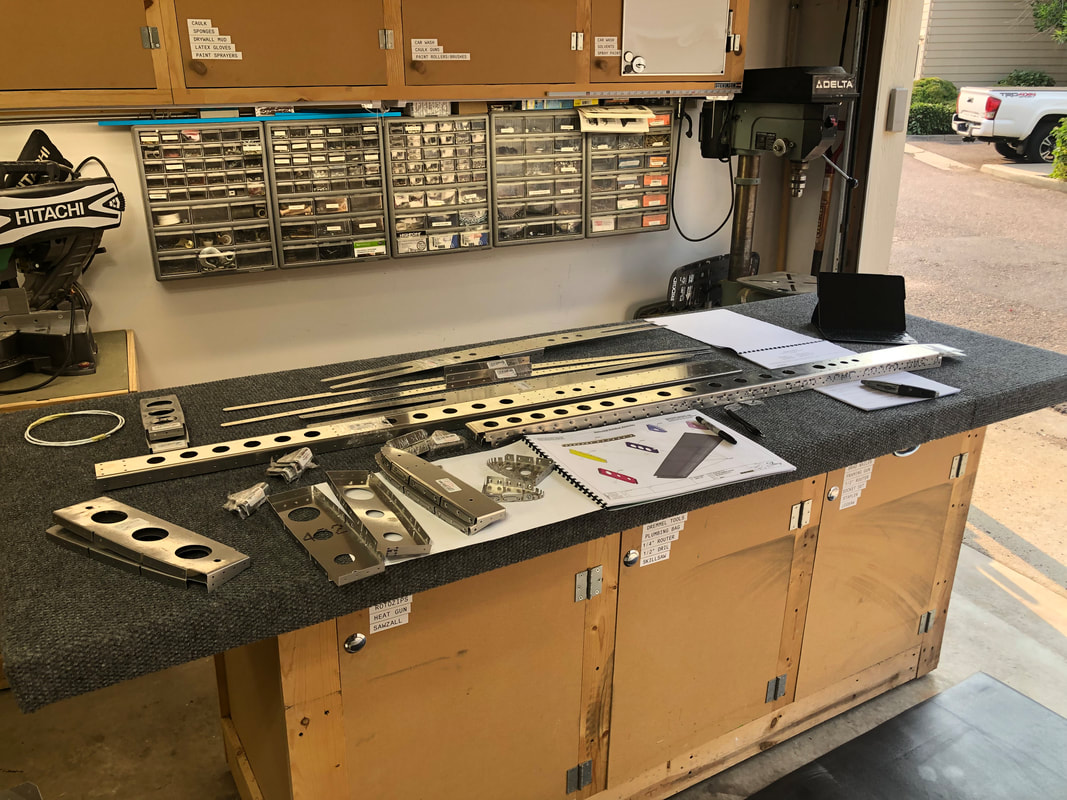
The prep work included building a few work tables and the documentation seems to indicate only an 8 foot table should work for the empennage.  So that’s where we started.
Picture
Picture
I quickly outgrew that and added on the second of the two tables.  Having more space just was better/easier.  This is the elevator part starting to go together
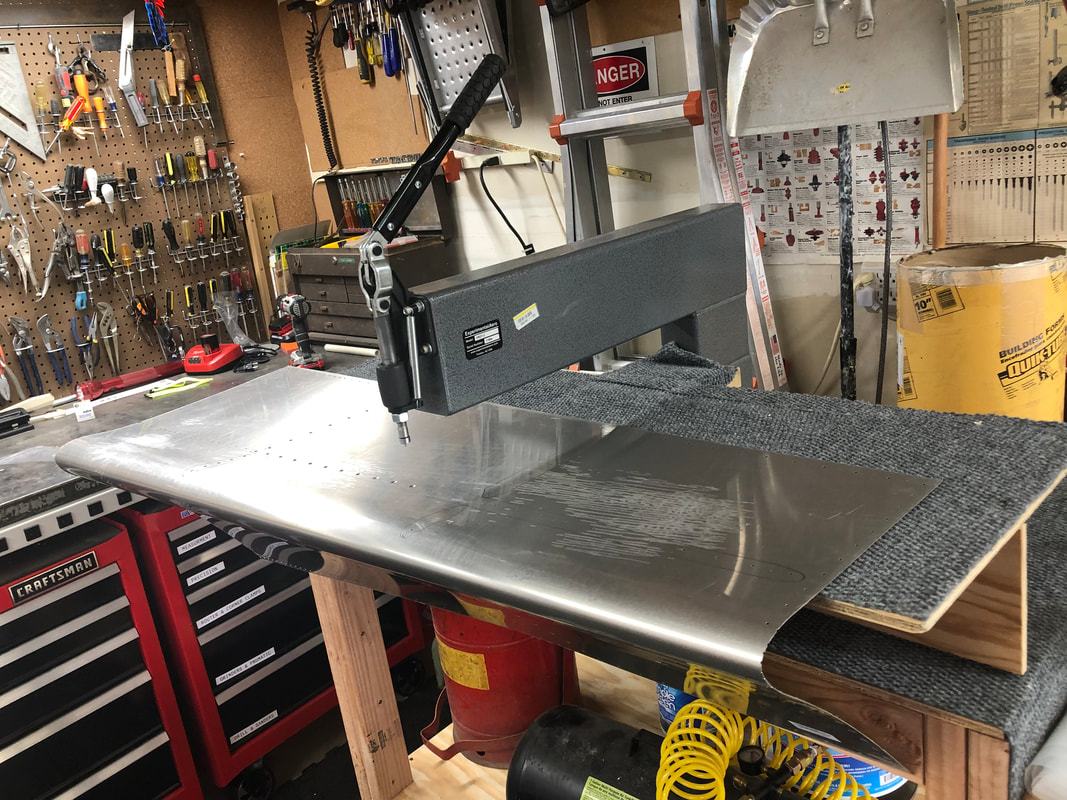
Having the dimpler is definitely a great tool to have.  We also got the horizontal stabilizer put together
Picture
Picture
Picture
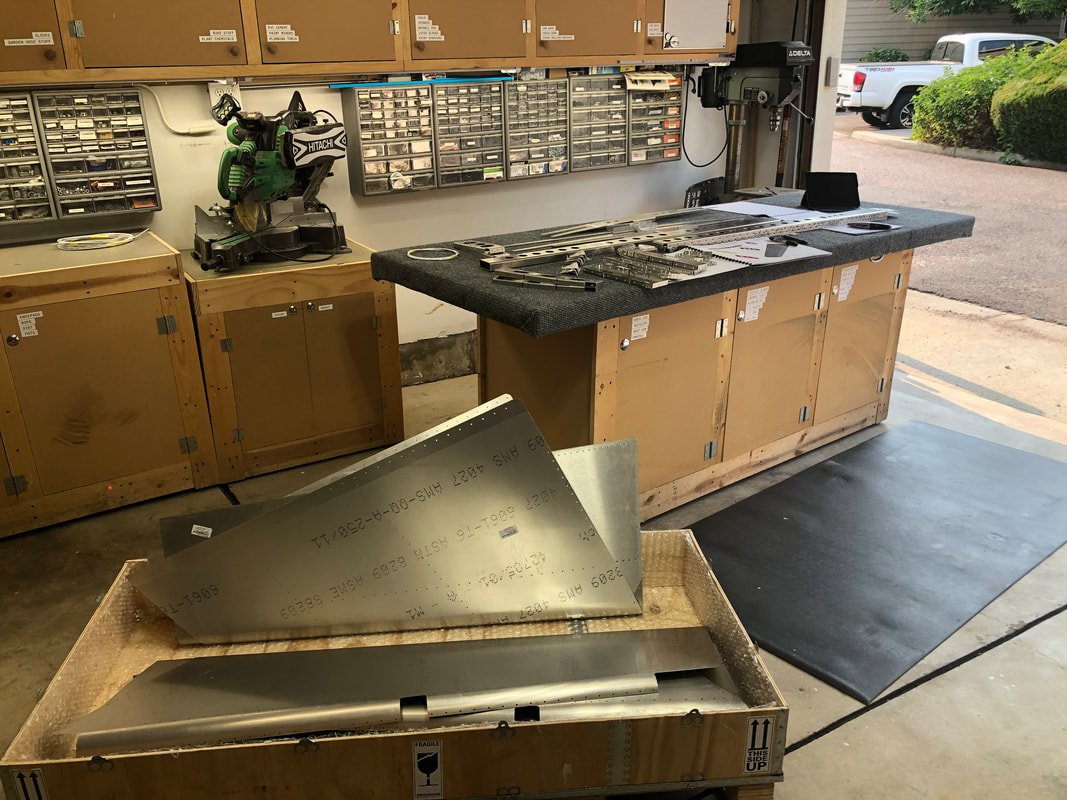
And then the vertical stabilizer as well
Overall we are making great progress.  We are missing a number of one-off parts which is preventing us from completing pretty much each of the sections.  The missing parts are all on order and should be in reasonably soon.  But we aren’t waiting.  We’ll clear off some room once we have finished cleaning the surfaces and tidied up the parts we have and then start working on the wings!  We’ll have a new update coming up in September.  For those of you not watching our YouTube channel, I’m going to try to keep that up to date as well.  This was our introductory video which mirrors much of the same details mentioned here, but in a video format. 

​If you'd like to watch the video aspect of our progress, please see our video here:
0 Comments

Flying with fathers day in mind

6/3/2021

0 Comments

 
The wait continues for my SlingTsi kit.  The good news is the kit is currently on Romulus.  No, really.  Romulus - the cargo ship.  It left Ireland a few weeks ago and has been making the trek across the Atlantic.  I expect it to make a few stops along the eastern seaboard, cut through the Panama Canal to the LA area where my kit will be unloaded.  Once that is done a cargo truck to my home here in Colorado should put the delivery sometime in (fingers crossed) July.  Just in time for Oshkosh.  

In an effort to keep my blog post going and in the spirt of Fathers Day in June, I’m sharing my journey into aviation and how it has kept me connected with my dad.  

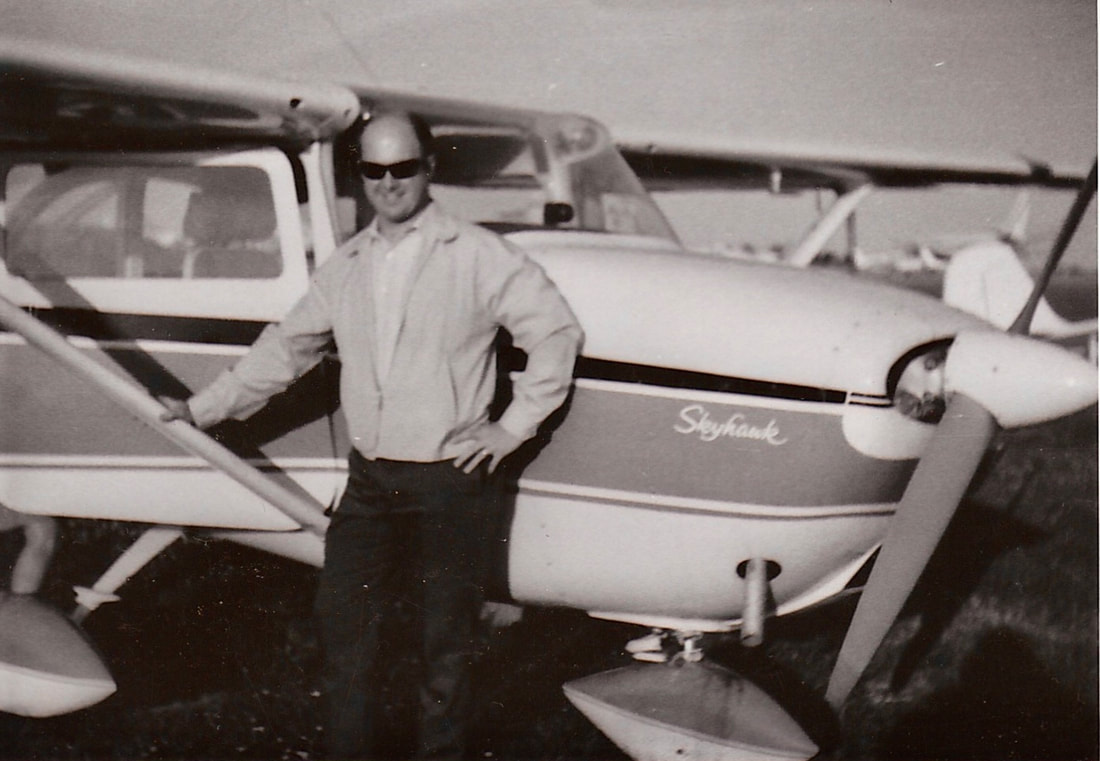
A few months ago AOPA was asking pilots to share their stories on what led them to flying and I thought I’d give it a go here.  Most pilots that I have encountered found flying at a young age or even are a second or third generation pilot.  While I am a second generation pilot, the initial spark wasn’t necessarily family related, but certainly inspires me along.

Growing up I knew my dad was a pilot but never really thought much of it as I never actually had any recollection of him piloting a plane.  We didn’t hang out at the airports and it really wasn’t ever discussed.  In fact before I was born my dad was building an airplane in the very prototypical “home builders workshop”, which if you’ve ever been to the museum at Oshkosh they have a mock-up of what it might have looked like.  

Having kids interfered with the dream to build and he never got much beyond some of the fiberglass forms needed to make the fuel tanks.  We moved a few times, from Iowa to Colorado, to Nebraska and the back to Colorado.  I remember the kit parts moving with us from home to home and with each move the parts seemed to be farther and farther apart.  There still are some tools around such as Cleco pliers and rivets but everything else seems to have been displaced with the moves.  Unfortunately my dad passed away in my late 20’s at the age of 58 and he never got back to working on that kit.

As for myself, fast forward about a decade later after he passed to about 2007.  I remember very specifically going out to dinner one evening with my wife’s family and there was a Flying magazine sitting in the waiting area of the restaurant.  As I was flipping through the magazine, I started thinking to myself - this would be fun to do.  And that was it - the seed was planted. 

Getting started really was about removing roadblocks out of the way from life.  Picking up a Plane & Pilot and Flying magazines here and there I did notice that a lot of the failed starts had a lot to do with life events getting in the way.  At the time, I was  recently married, we were combining households and I had a basement to finish to improve the living situation at home.  Flying became the carrot for getting motivated to finish our home basement.  I got busy on the basement and spent the next year and a half finishing that project.  

Initially my plans for flying were to fly only Light Sport Aircraft with the Sport Pilot license mainly to keep my costs as low as possible.  And hey - the path to the Sport Pilots license was faster, and the planes less expensive to fly - right?  I tend to absorb things a bit slower than some folks, and with a number of aircraft and instructor pauses, along with weather, the “20hrs to the license turned into many more than that…  with of course the extra costs to go along with it.  
Once I got my ticket, we purchased a share in our first airplane partnership.  As my wife, Laurie and I flew more we both understood the importance of needing more… of well, everything.  After a few years I worked on moving my Sport Pilot license up to a PPL, then the instrument rating after that landing most currently on my commercial rating.  I started looking to longer-term goals.  I’m reasonably comfortable in my career and knowing the airline life wasn’t for me, but ah - instructing could be the path.  This will be the next series of steps for my progression in aviation.

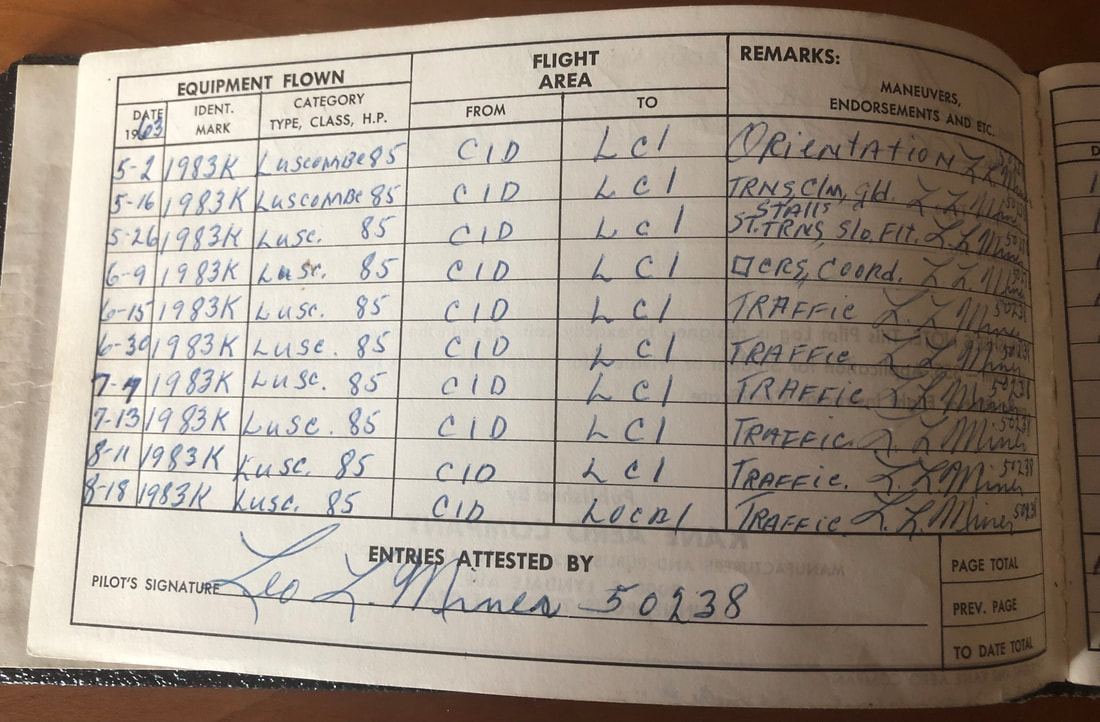
A few years ago as I was going through some of the remaining boxes of my dad’s stuff and came across much of his aviation documentation - including his log book.  The great thing about log books is it becomes a personal journal of events in ones life.  My dad’s first flight was on May 2nd, 1963 at KCID, or Cedar Rapids Iowa.  In all told, he logged only 129 flights from the initial flight to the final flight on July 26, 1969.  From his first flight it was a scant 13 flights later for his first solo in a Luscombe Silvaire Deluxe none the less.  

One of the other more notable flights that I noticed was a mere four days after I was born.  Fortunately I was too young at the time to notice the conversation that took place between my parents at the time, but I’m certainly it had to have been, how shall we call it… lively?  In looking beyond that date this flight made sense as shortly after that there were flights from Cedar Rapids to Kansas where my grandparents lived, Minnesota to where my other grandparents lived and another stop in Cherokee Iowa where my mom’s sister and her family lived.  

The fact my dad was able to use aviation to introduce me to the world in the late 60’s and, even with his passing, is able to share this experience through these logged journals resonates with me today.  

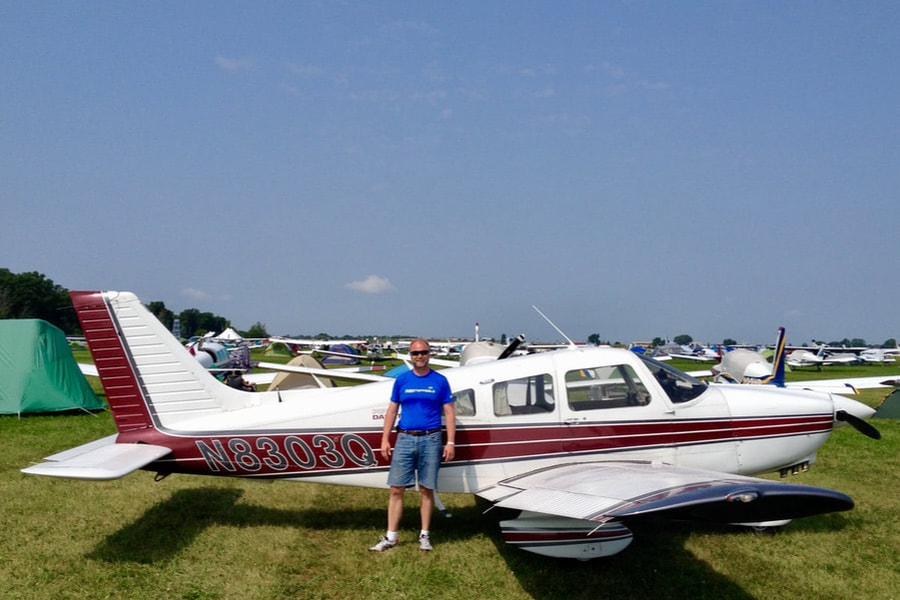
With my dad’s log book I went through and entered all of the flights and airplanes into an electronic log book to analyze the data even better and in doing so, I found a new mission for my flying.  I am slowly flying into each of the airports he has logged time into as a way to sort of retrace my steps and his.  Additionally one of the other sparks of inspiration, I started checking on the availability of tail numbers and found one available.  I have since then, registered the available tail number for my upcoming build which will bear it’s identifier.  

Normally this may be the end of the story.  A few months ago an article caught my eye on Air Facts Journal which fit into the theme I had been mulling about for this article as well as the APOA outreach.  I pulled up the article and started to read it (to read the actual article visit https://airfactsjournal.com/2021/03/the-logbook-a-generational-connection/).  It’s a similar story, written by Keenan Gehman, of someone who falls in love with aviation at a young age and as an adult finally makes the journey.  

What stopped me dead in my tracks while reading the article is the picture from his grandfathers logbook.  My dad and his grandfather were at the same airport on the same day back in 1963.  The odds of these two men being at the same airport and now I’m sitting here reading an article from his grandson just blew my mind.  I immediately worked to reach out to Keenan and was successful.  We’ve had a number of great exchanges via email.  
​
In addition to our paths crossing this way, Keenan’s grandfathers flight instructor from back then actually is still alive and recalls his grandfather.  The flight instructor doesn’t recall my dad’s flight instructor, who passed away a number of years ago.
Picture
Picture
Picture
Although my dad and I never really talked much about his flying (if ever) I like to think he never lost the passion for it, but gave it up for the time being for the family.  Once I get the Sling done I’ll start checking the flights off into the airports and retrace his aviation journey with him in mind each time I venture out.  It’s just my little way of keeping him alive for me.
Happy Fathers Day dad…
0 Comments

I found my plane!!

5/25/2021

0 Comments

 
Not a huge update here - but I finally got the shipping information for the airplane... here's the map of where it's at on the globe.  Click the blog post to bring up the map.
0 Comments

Building Holding pattern

3/14/2021

0 Comments

 
When I kicked off this blog series it was full steam ahead to get prepped with both knowledge and the building space with the anticipating of having a kit in-hand by January.  I mean after all, how hard can it be to put together a series of aluminum parts to build an airplane?  Especially considering the plant for fabrication is already in place.  Oh.  Let’s not forget to factor in our once-in-a-lifetime pandemic to throw a monkey wrench into my otherwise streamlined plan of events. 

This threw a bit more of a delay into the system than I expected, but in retrospect, it’s probably expected.  It’s not so much the Sling airplane factories issue at this stage as much as it is shipping.  Since the kit is fabricated in South Africa it has to get onto a boat.  The shipping industry is experiencing a pretty significant bottle neck, mostly with shipping containers.  For more information on this, see https://tinyurl.com/yhxkecs4.  

In December I thought I caught a break as my order got bumped up due to another future builder having to back out due to unfortunate health issues.  So, for now I have entered into what is likely to be one of many delays during the build process.

One of the things that has been noodling around in the back of my brain during this idle time has been some of the supporting organizational structures in aviation to help people build airplanes in addition to aviation in general.  In my most video I talk about this as a bit odd or confusing for me that such organizations aren’t discussed at the entry level to aviation.

When I started flying some dozen years ago, I never had any instructor explain in detail how these organizations help to benefit aviation in general.  I suppose some of this may have to do with the fact that a good chunk of folks going through pilot training aren’t into it for the recreational aspect, but more on the career track.  Overall, organizations such as the AOPA and EAA have always seem to me to be something to be important to be part of their community.  At a local level there is even more of a direct impact with groups such as the local EAA Chapters and in Colorado with the Colorado Pilot Association (CPA).  Both of these local groups offer a variety of resources to help make general aviation that much more rich.  

Almost as soon as I wrapped up my license I joined both the CPA and the local EAA chapter.  I haven’t been very active in the local EAA chapter simply because I wasn’t a builder.  But I can tell you that when I have reached out for questions, comments or even participating in a local event everyone has been very welcoming.  Granted this is overall the nature of the pilot community, but it’s helpful to have a group to return to with familiar faces.  It even started out with their post-Oshkosh pizza party debriefings.  This was the first event I ever really heard of Oshkosh.

Having shifted into the build mode for my next plane, I’m attending the local chapters events on a regular basis to get to know the community there better.  They have been very open to helping and I am looking forward to getting to know others through this group as my build progress evolves.

The CPA is also one of the best groups I could recommend anyone locally to Colorado to be a part of for at least two reasons - but there are many more of course.  The first of which is their very popular Mountain Flying program.  This one day ground school event just makes one realize how dangerous flying in the Rocky Mountains it can be.  I remember after taking it walking out of the program wondering why on earth anyone would FLY much less in the mountains.  However, with knowledge comes power, so I left with more knowledge of what I would want to avoid for sure.

The second program for the CPA gives you a reason to fly; their annual Fly-in events.  The point of getting a pilots license is to GO places, not just fly locally.  At least that would be the only reason I would think someone to become a pilot (other than it’s fun of course).  This Fly-in program with the CPA puts together a series of places to visit through other CPA-member hosted events.  My wife and I have traveled to places we would never imagine ever stopping with a group of very wonderful people.

The national level programs also have their benefits, but all of them (nationally and locally) have their places to help make aviation be a great activity to be involved with.  Certainly they compete with other recreational clubs supporting different areas of interest, but these groups are one area which could help overall with the retention of folks within the aviation community.  I wish this were more encouraged on the onset of flying.  I think it’s great for the pilots that maintain their connection to their local community through their membership.  What do the folks reading this think?  Should pilots be more involved with their local and or national organizations to help keep a healthy and vibrant community?

​
0 Comments

Video overview on Why build a SlingTsi

2/28/2021

0 Comments

 
I spent some time going over the past few blog posts in a video format for everyone to watch.  I'll be updating the blog post with my next post here soon.
0 Comments

Comparing the RV10 vs. the SlingTsi

2/20/2021

1 Comment

 
In my previous post I covered the costs associated with buying a new certified and used certified aircraft against the SlingTsi.  How does the Tsi compare against another Experimental aircraft?  Given the 4 seat status of the SlingTsi, there aren’t a lot of other 4-seaters in the same price and performance category.  Certainly the Lancair Mako would be a nice airplane to consider, but given the costs associated with the build time, it’s just not in the cards for something I could swing.
After the Lancair there are a number of smaller production experimental aircraft to consider, but the only other one in my opinion would be closest to in cost and performance is the RV10.  If you’re new to aviation (and some reading this may be), Vans Aircraft is one of the most popular (if not THE most popular) experimental aircraft supplier in the world.  I attended a session at Oshkosh one year around Vans and the speaker stood up on the stage and said “Lets face it, the ‘experiment’ is over on the RV’s”  And I don’t think I would disagree with him at all.  For those of you who haven’t experienced the RV series of planes, they are very nice and have a fantastic pedigree.  The RV10 is their only 4-place aircraft in the lineup.  It quite often is mistaken at airports as a Cirrus and it is quite similar in many aspect.  But how does it stack up against the SlingTsi?
Picture
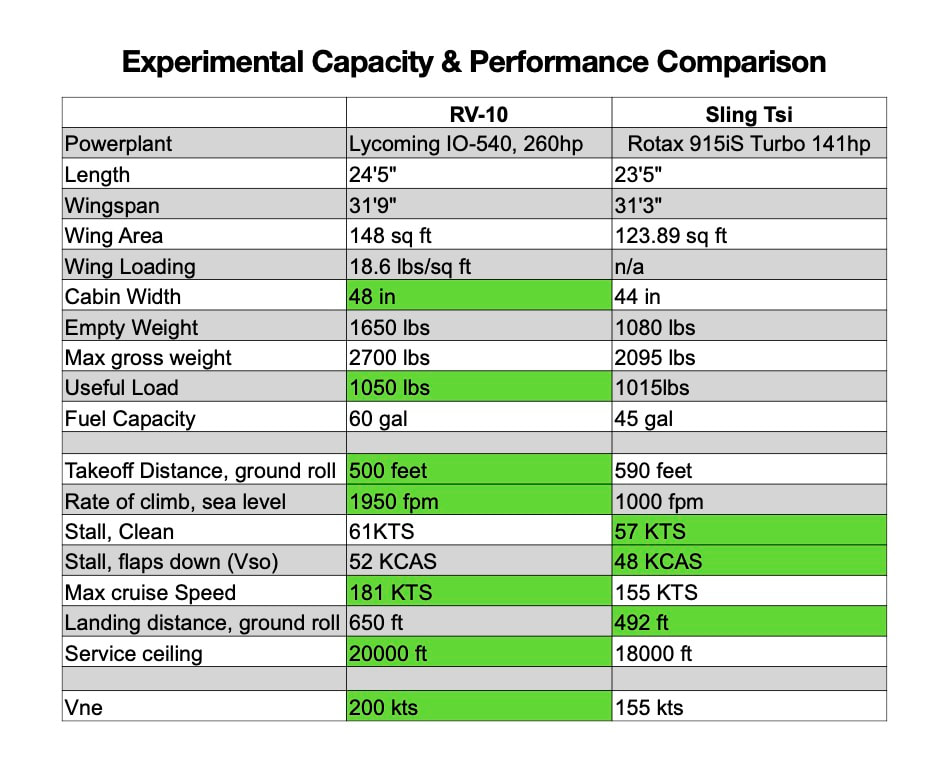
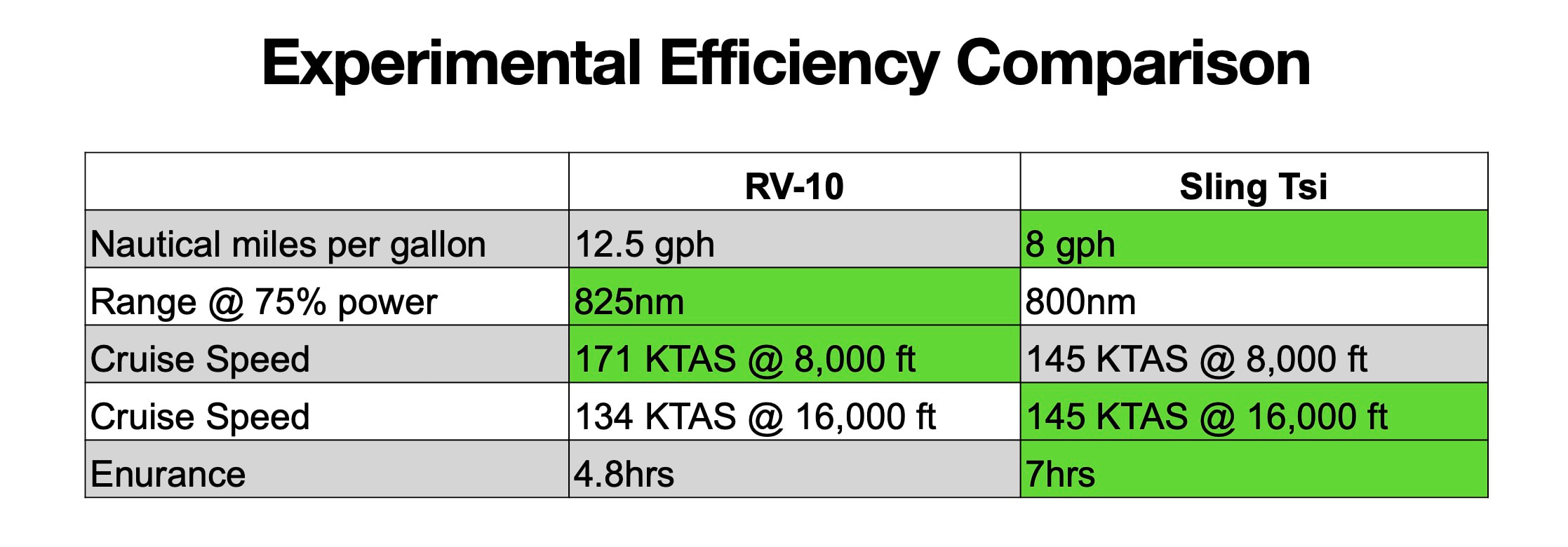
The RV10 is going to have an obvious advantage over the SlingTsi when it comes to the engine size.  With the 260hp Lycoming it’s got 120 extra horsepower over the Tsi’s Rotax 915 at peak power of a 141hp.  That’s for the first five minutes - after that the power is pulled back to 135hp.  I’ll go more into the horsepower in a few slides as to why this isn’t as big of a factor as it may seem though.

For the rest of the information, the tradeoff is the RV-10 does have a little wider cabin, higher max cruise speed, and overall a bit more performance.  What the RV-10 is though, is it is 600lbs heavier.  Keep that in mind as that is going to come into play a bit later on in the discussion.

Price and Build Times

My objective in building the airplane isn’t just for something that I can fly long-term, but also how quickly can I get it done? 
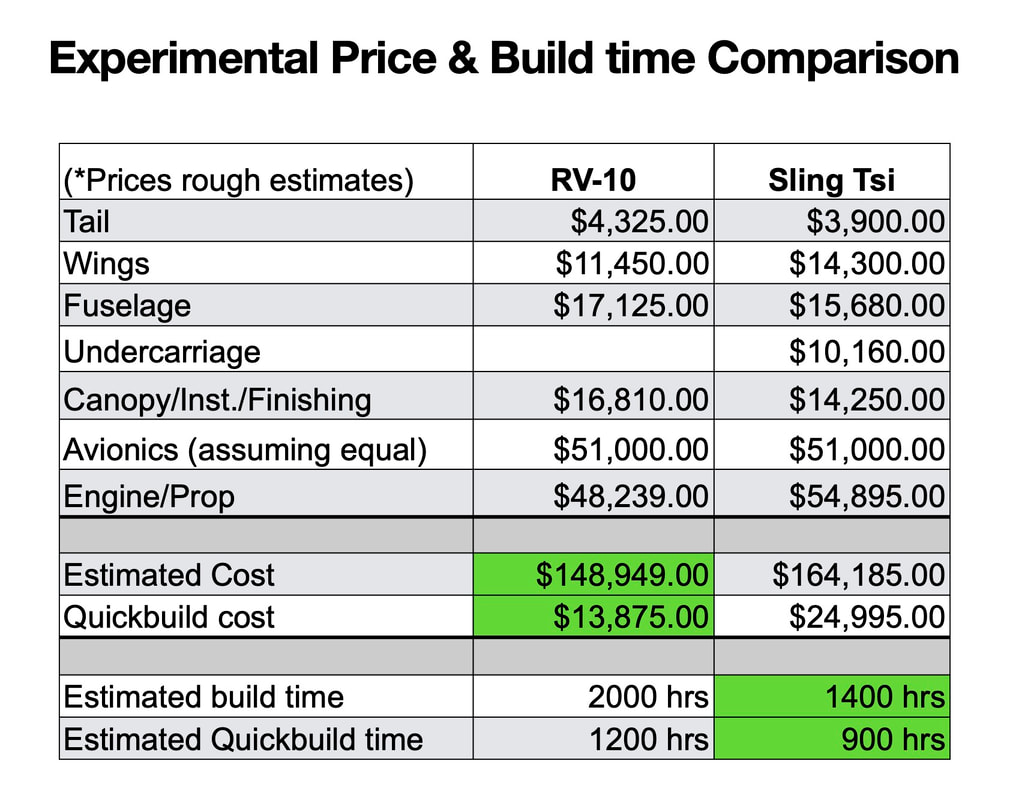
Picture
Price wise, the RV-10 appears to be a bit less expensive over the SlingTsi.  The undercarriage line item on my chart is based on the breakout from the SlingTsi kit.  There is no undercarriage option as a line item on the RV-10 price list, so I suspect some of those items are incorporated into other areas of the overall prices.  Another item to note is the aftermarket items for building an RV-10 is quite extensive.  This certainly has to do with the longevity of the airframe.  The RV-10 had it’s first flight in 2003 where the SlingTsi had theirs in 2018.  So the RV-10 builders have 15 years worth of time for additional aftermarket development.  If I were to advise someone on which to choose for building, this is definitely a factor of consideration.  
For me though, the build time line item - it is estimated to be 600 hours less to build a Tsi over the RV-10.  This primarily has to do with the type of fasters in constructing the airplane.  The RV-10 uses buck rivets whereas the Sling uses pulled rivets.  This plays a huge factor in the build time.  If you aren’t familiar with the differences (I wasn’t other than I drew assumptions based on the name), the buck rivet is where you take a rivet, place it in the rivet hole and use a metal plate on one side and a rivet gun to effectively “pound” the rivet into the hole.  This is done through a rivet gun that makes a sound a bit like a machine gun as it molds the rivet into place.  It’s actually quite fun to do if you haven’t tried it, but when we’re talking about thousands of rivets the noise can get a little old.  I’m sure my neighbors will appreciate the choice of using pulled rivets.  As for what a pulled rivet is - the logo for this blog is that of a pulled rivet.  You insert the rivet into the hole and then use a rivet puller to extract the center post up and out.  When you perform this extraction is pulls the remaining rivet into place.  The overall noise generally is a very mild “pop” when the rivet releases.
At the end of the day, as per the chart above the RV-10 is the winner cost-wise, but considering it could add an additional year to my build time I’m not sure I’m that patient.

Comparing performance

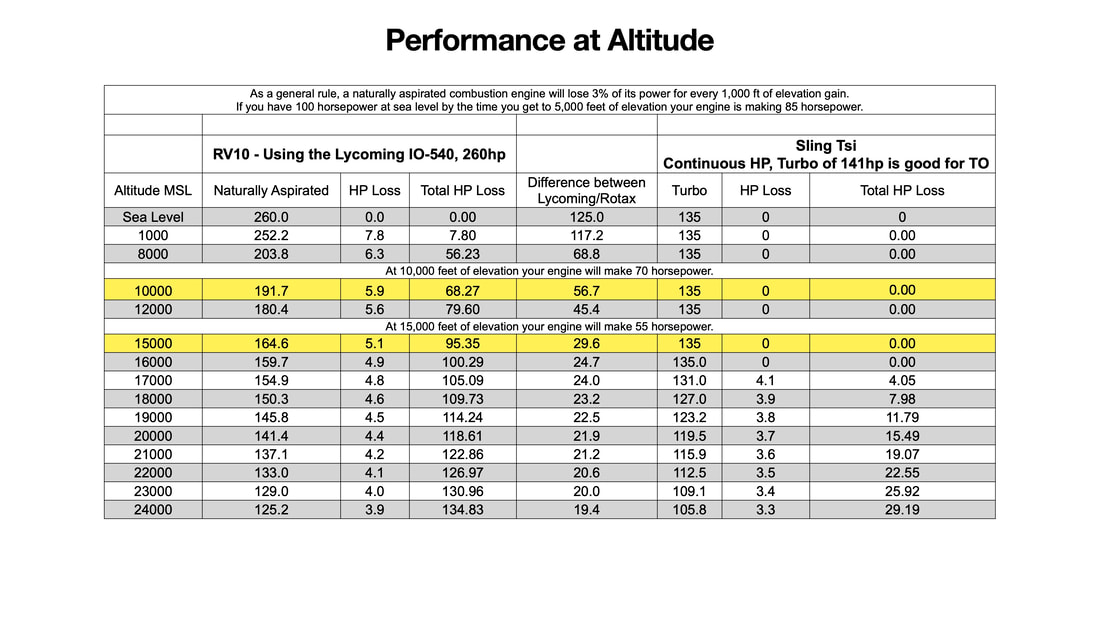
When you stack up the RV-10 performance wise against the SlingTsi there are some items to consider here.  I fly out of KBJC.  The standard atmosphere field elevation is 5673 feet MSL.  As with most aircraft performance numbers they are all based off of sea level.  I’ve often found this interesting as even flying “at sea level” you’re not truly at sea level - you’re some altitude higher than that.  A safe bet would be a minimum of 1,000 feet MSL.  Sure there are conditions where you’d be lower, but I generally fly with a margin of safety.  The RV-10 is generally configured with a naturally aspirated engine, which means by the time the Lycoming engine reaches the field elevation at BJC you’ve already lost 39hp.  On a reasonably warm summer day here in Colorado it isn’t unusual for the density altitude to reach 8,000 feet.  This means the engine is down another 62hp to 198hp - and the first thing you’re going to do after taking off is add more altitude.

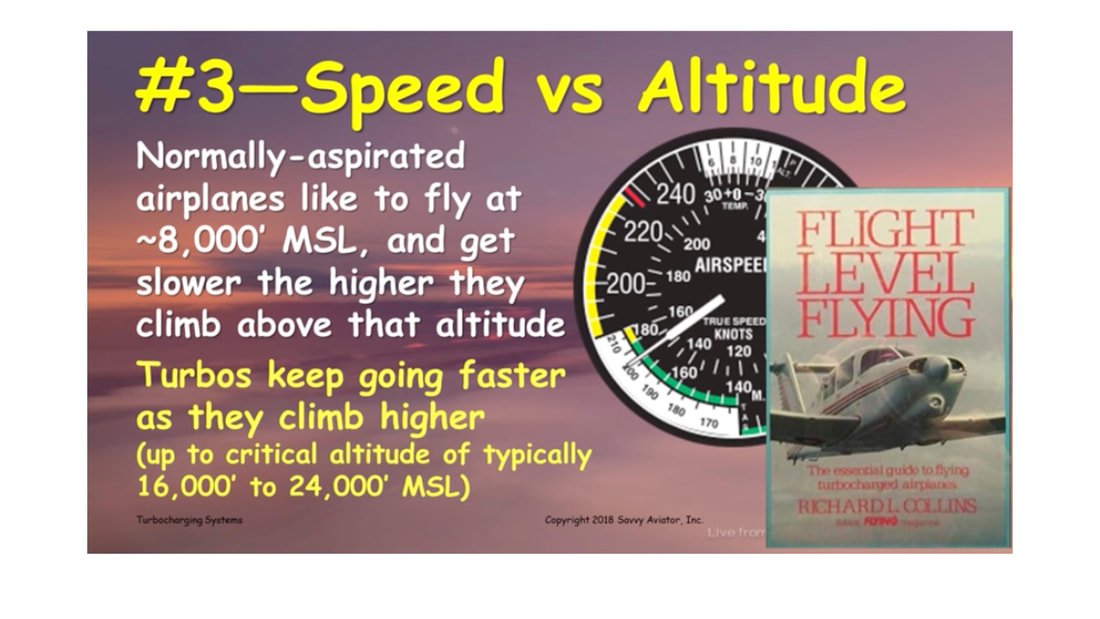
Given this breakdown and that the Rotax 915is is a turbocharged engine, the two engine performance levels start to converge as altitude is gained.  The 915is as designed will maintain sea level performance up to 15,000 tp 16,000 feet (depending on the source of the information as the Sling Aircraft site indicates 16,000, the Rotax 915is wiki page indicates 15,000 feet).  If we take the reduction in engine performance as the airplane climbs the SlingTsi with the Rotax 915 starts to overtake the airspeed of the RV-10.  I recently found a YouTube video of an RV-10 climbing up to FL200 to show off performance running lean of peak showing a True Airspeed of 152kts with a direct 39kt tailwind.  It seems to support the numbers as per the chart below.
Picture
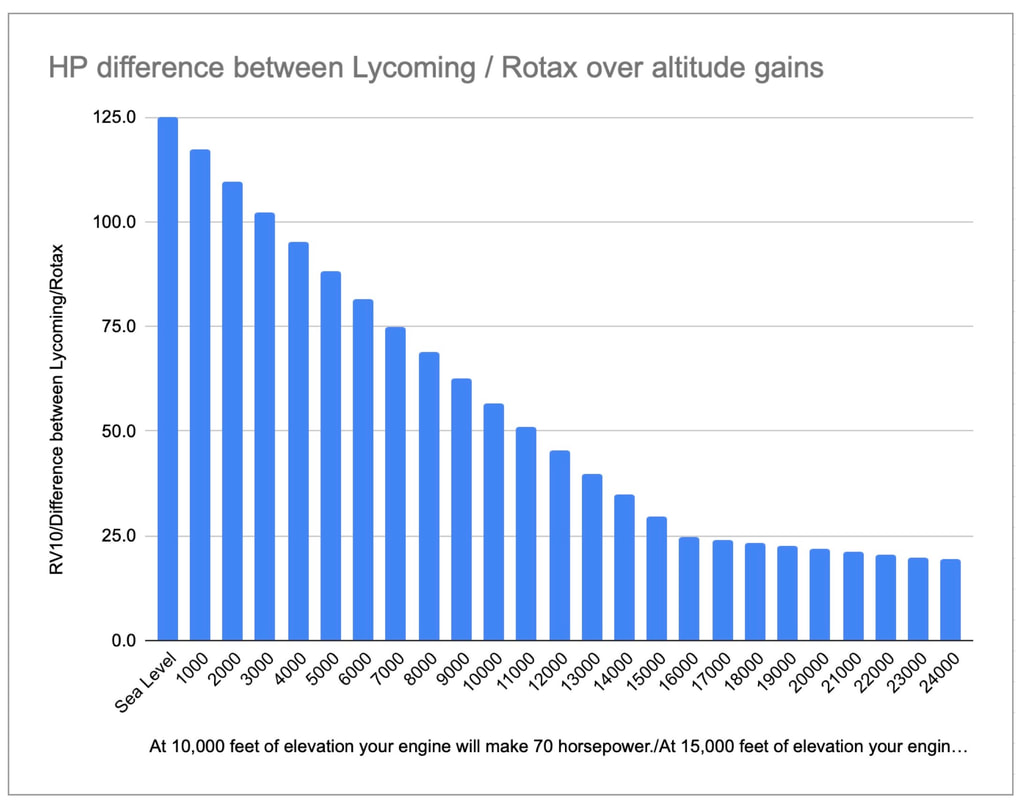
This is where the conversation about the weight of the aircraft comes into play as well.  In doing a breakdown on this by altitude carried to the extremes we see once the airplane is above 16,000 feet the differences tend to start leveling out
Picture
This chart goes up to FL240 - which of course the question becomes “what a minute, the ceiling on the SlingTsi is stated to be 18,000 feet?”  Well, this is true, the definition of the service ceiling is the height above sea level at which an aircraft with normal-rated load is unable to climb faster than 100 feet per minute under standard air conditions.  There are a couple of videos out there of the Sling reaching flight levels of FL240 and up to FL300.  Now, in my flying needs I literally have no desire to fly at that level, even if someone demonstrated the aircraft has gone that high.  My goals would be in the 14,000 feet to 17,000 feet during long trips.  Based on this chart, the SlingTsi will perform exceptionally well in this range
Picture

There’s a vast wealth of information online on this topic.  Van's Aircraft provides documentation on the loss of horsepower as altitude changes:
https://www.vansaircraft.com/faq/horsepower-limits-why-not-a-turbocharged-higher-horsepower-engine/

Garrett Advancing Motion - while there is no relation to myself and Garrett engines (which would be nice actually), they do have a discussion around turbocharging at elevation when it comes to cars in this article.  Oddly enough I don’t live too far from Pikes Peak and can see it on a clear day.  This reference is more supporting documentation for the delta differences between a naturally aspirated engine and a turbo engine.     
https://www.garrettmotion.com/news/newsroom/article/how-to-turbocharge-at-elevation-counteracting-lower-air-density/

The wiki links for both of the respective engines between the Rotax and the Lycoming power plants:
Rotax Engine Wiki    https://en.wikipedia.org/wiki/Rotax_915_iS
Lycoming    https://en.wikipedia.org/wiki/Lycoming_O-540
​

Savvy Aviation has a couple of great discussions on the state of engines and turbo engines at https://youtu.be/p22FOawoTCM - Turbocharging Systems in which I grabbed this slide.
Picture
The only part of the conversation on this that I am missing is the weight to horsepower expectations.  This is where my math skills are failing me.  I’ve had a number of conversations and haven’t found anyone that disagrees with these findings so far.  If you have more to contribute to the conversation I’m welcome to feedback on this topic.
Overall though, on the surface the RV-10 certainly is a compelling airplane with the heritage of the platform, a bigger cabin and what appears to be a slightly less expensive build, however given the location I’m located, what the mission is and the build times I feel comfortable with the performance the Sling is going to offer when stacked up against the RV-10.
What are your thoughts?  Am I missing something?  It’s too late for me as I’m committed to building the Sling, but I’m always welcome to feedback to help not just my understanding, but also to share the most accurate information I can with other pilots.
1 Comment
<<Previous
Forward>>

    Building the Sling

    Keep up to date with the SlingTsi build progress here.

    To see how it all began - start here: www.briangarrett.net/firstrivet/the-plane-build

    Archives

    August 2025
    November 2023
    April 2023
    January 2023
    December 2022
    September 2022
    August 2022
    July 2022
    June 2022
    May 2022
    March 2022
    February 2022
    January 2022
    December 2021
    November 2021
    October 2021
    September 2021
    August 2021
    June 2021
    May 2021
    March 2021
    February 2021
    January 2021
    December 2020
    October 2020
    September 2020

    Categories

    All
    Empennage
    Floor
    Fuel Tanks
    Fuselage
    Insulation
    Landing Gear
    Luggage Door
    Performance
    Rear Fuselage
    Rudder Pedals
    Throttle Quad
    Wing Assembly

    RSS Feed

Powered by Create your own unique website with customizable templates.